

Best Low Caffeine Coffee Beans for Afternoon Productivity 2026
Table of Contents
- Why Low Caffeine Coffee Beans Are Changing the Afternoon Workday
- Coffee Beans with the Least Caffeine: A Roast-by-Roast Breakdown
- Caffeine Content by Coffee Bean Type: Arabica, Robusta, and What the Label Doesn't Tell You
- Half-Caff Coffee Beans: The Middle Path for Afternoon Focus
- How to Brew Coffee with Less Caffeine Without Losing Flavor
- The Best Low Caffeine Coffee Beans for Afternoon Productivity in 2026
- Measured Caffeine per Serving: What the Numbers Actually Mean for Your Afternoon Cup
- Timing Your Afternoon Cup: Caffeine, Sleep Quality, and Sustained Energy
- Frequently Asked Questions
Last Updated: October 15, 2026
Why Low Caffeine Coffee Beans Are Changing the Afternoon Workday
The 2 p.m. slump usually calls for a second or third cup, and that fix costs you jitters, a racing pulse, and a 3 a.m. stare at the ceiling.
Low caffeine coffee is made from beans or blends that deliver less caffeine per serving than a standard cup, through bean type, roast, blend ratio, or brew method. The goal is not zero caffeine, but a smaller, smoother dose that supports focus without the crash.
Below, we break down roast levels, bean types, and brew methods, then show you which beans to buy for a productive afternoon.
Coffee Beans with the Least Caffeine: A Roast-by-Roast Breakdown
Roast level changes caffeine less than most people think. A dark roast does not remove caffeine, and a light roast is not automatically stronger, the real variables are bean type, serving size, and brew method. Roast still matters for how the cup feels, and that feeling is what keeps you sharp or sends you sideways.
Here is how the roast spectrum plays out in practice:
- Light roast: Brighter acidity and more perceived energy. An 8 oz drip cup of light-roast Arabica lands near 90-100 mg of caffeine, fine for a small afternoon cup, but not the lowest-caffeine choice.
- Medium roast: The balanced middle ground, smooth, moderate body, easy to drink without a crash. Caffeine lands in the same 90-100 mg range for an 8 oz Arabica cup.
- Medium-dark roast: Deeper sweetness and lower acidity. Sits heavier, so you naturally drink it slower. The caffeine is unchanged; the slower sip is the benefit.
- Dark roast: Bold, smoky, lower in perceived acidity. The caffeine is still there, often within a few milligrams of a light roast of the same bean, so portion control does the real work.
Where the caffeine actually comes from
The roast is the wrong lever; the bean species is the right one. Arabica beans carry about 1.2-1.5% caffeine by weight, while Robusta runs roughly 2.2-2.7%, the single biggest gap you can shop for.
Serving size is the second lever, and the one you control at the counter: dropping from a 12 oz mug to an 8 oz cup cuts roughly a third of the dose, and your palate barely notices. Brew method is the third, a 2 oz espresso shot concentrates caffeine, while a 12 oz drip cup spreads a similar total across a larger drink.
A quick afternoon cheat sheet
| Lever | Effect on caffeine per cup | Afternoon verdict |
|---|---|---|
| Bean species (Arabica vs. Robusta) | Arabica runs roughly 40-50% less caffeine by weight | Biggest single lever, buy Arabica |
| Serving size (12 oz → 8 oz) | Cuts roughly one-third of the dose | Easiest change, no flavor loss |
| Roast level | Minimal effect on caffeine | Choose for flavor, not dose |
| Brew method (drip vs. espresso) | Same total, different concentration and sip speed | Drip or pour-over for a gentler ramp |
For a deeper look at how roast and freshness interact, the Specialty Coffee Association's research on coffee freshness and quality is worth reading before your next order.
Caffeine Content by Coffee Bean Type: Arabica, Robusta, and What the Label Doesn't Tell You
Caffeine content by coffee bean type is the single biggest lever you control. Arabica beans carry less caffeine than Robusta, which is why most specialty roasters build on Arabica. Robusta is cheaper and harsher, with a rougher, more bitter edge; Arabica is sweeter, more aromatic, and easier on the stomach.
What the label usually omits is the number that actually matters: caffeine per serving. A bag can say "medium roast" and tell you nothing about how much you are drinking. The FDA guidance on caffeine and how much is too much is a useful starting point for daily limits, but it will not tell you what is in your specific bag.
Half-Caff Coffee Beans: The Middle Path for Afternoon Focus
Half-caff coffee beans blend regular and decaffeinated beans, usually 50/50, to deliver roughly half the caffeine of a standard cup, the most practical option for anyone who wants the taste and ritual of coffee in the afternoon without the full dose.
The catch is quality: a half-caff is only as good as its decaf half, and cheap decaf tastes like cardboard. Our Peru Decaf ($23.99) uses the Swiss Water Process, which removes caffeine without chemicals and keeps the caramel and citrus notes intact. Paired with a medium roast, it gives you a smooth, rounded cup that works from early afternoon into the evening, if you want the ritual without the jitters, start here.

How to Brew Coffee with Less Caffeine Without Losing Flavor
How to brew coffee with less caffeine comes down to four adjustments, none requiring new equipment:
- Shrink the serving. An 8 oz cup instead of 12 oz removes a third of the dose instantly.
- Use less coffee per ounce of water. A 1:17 ratio instead of 1:15 softens the cup without watering it down.
- Shorten the extraction. A 2-minute French press steep instead of 4 minutes pulls less caffeine while keeping the body.
- Blend in decaf. Replace half your scoop with a quality decaf and keep the flavor.
For a deeper look at how roast and freshness interact, the Specialty Coffee Association's research on coffee freshness and quality is worth reading before your next order.
| Adjustment | What It Changes | Best For |
|---|---|---|
| Smaller serving | Cuts caffeine per cup | Quick afternoon reset |
| Higher water ratio | Softer, gentler cup | Sensitive stomachs |
| Shorter steep | Less extraction overall | French press drinkers |
| Decaf blending | Halves the dose | Full evening ritual |
The Best Low Caffeine Coffee Beans for Afternoon Productivity in 2026
The best low caffeine coffee beans for afternoon productivity in 2026 deliver flavor and focus without a spike, and our top pick is the Peru Decaf ($23.99).
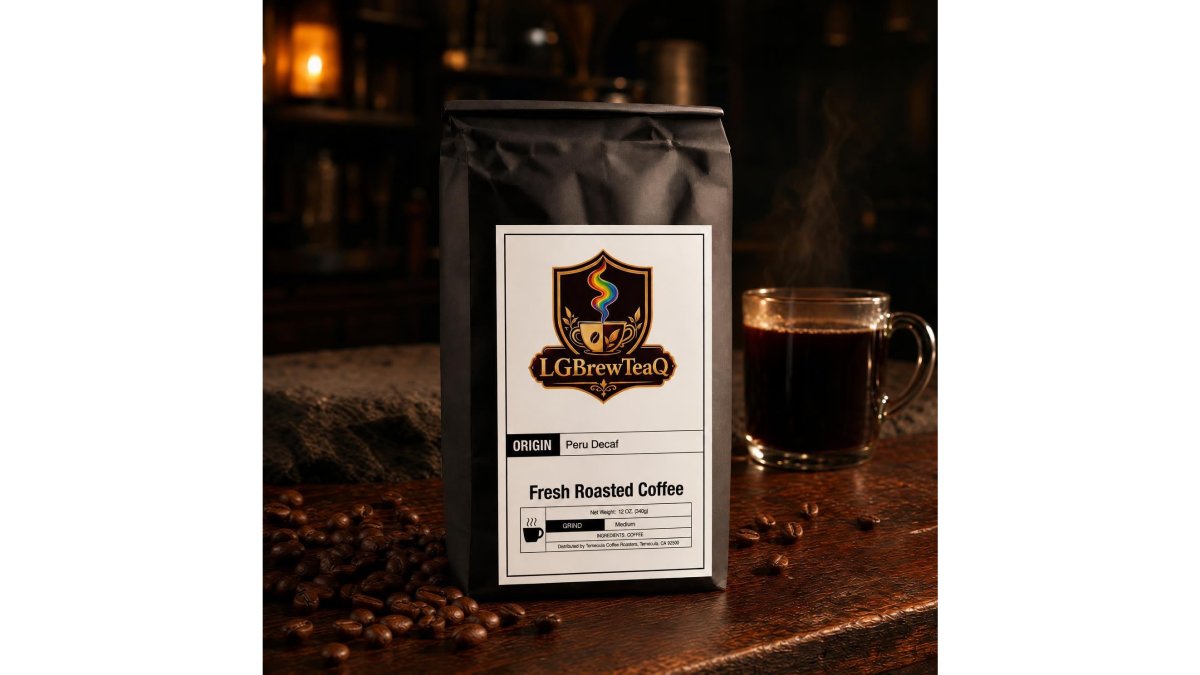
For a lighter, brighter afternoon cup with a little lift still in it, Blonde ($23.99) is our second pick: a light roast built for sweet espresso, with Meyer lemon, honeyed peach, and delicate jasmine.

For a smooth, crowd-pleasing middle ground, the Breakfast Blend ($23.99) is a medium roast with creamy milk chocolate and toasted graham cracker.
Pros and cons at a glance:
- Peru Decaf: Best flavor-to-caffeine ratio we carry. The only drawback is that some drinkers miss the full buzz.
- Blonde: Bright and naturally sweet. Not the pick if you want a heavy, syrupy body.
- Breakfast Blend: Balanced and versatile. Less distinctive than a single origin.
Every bag is roasted to order in small batches, so it arrives fresh rather than sitting on a warehouse shelf.
Measured Caffeine per Serving: What the Numbers Actually Mean for Your Afternoon Cup
Measured caffeine per serving is where most guides go vague, and it is the number to track. A standard 8 oz cup of Arabica typically contains roughly 95 mg of caffeine, depending on the bean, roast, and brew. A half-caff lands near half that; a quality decaf drops to a small residual amount.
The key insight is that caffeine timing matters as much as caffeine amount. For sleep-conscious drinkers, the Sleep Foundation's guidance on caffeine and sleep explains why an afternoon cutoff matters more than the total daily dose.
Timing Your Afternoon Cup: Caffeine, Sleep Quality, and Sustained Energy
Sustained energy comes from timing, not volume. The most productive afternoon cup is a smaller one, drunk earlier than you think, from beans that do not spike your system, a half-caff or quality decaf at 1:30 or 2 p.m. gives you the ritual and flavor while leaving sleep quality intact.
The half-life math behind your cutoff
Caffeine has a half-life of roughly five hours in most healthy adults, though genetics, medications, pregnancy, and liver function can stretch that to eight hours or more. That explains why a 3 p.m. cup still has a meaningful amount in your system at 8 p.m., and why an afternoon cutoff matters more than your total daily dose.
This is the angle most afternoon-coffee guides skip. The Sleep Foundation's guidance on caffeine and sleep walks through the timing research if you want the underlying studies.
Low-caffeine coffee is not the same as decaf
Low-caffeine coffee is not the same as decaf, and that difference is the point. Decaf removes nearly all the caffeine, typically less than 2-5 mg per 8 oz cup depending on the process, while low-caffeine options keep a measured amount that supports focus without overstimulation.
For most remote workers and busy professionals, that middle path holds up day after day. Full-strength coffee at 2 p.m. works for a week, then starts costing you sleep; decaf at 2 p.m. protects sleep but does little for focus. The half-caff or naturally lower-caffeine Arabica cup is the compromise that survives a real work schedule.
Matching the cup to your workday
A simple pattern that holds up for most people:
- Before noon: Full-strength cup if you want it. Your body has time to clear it.
- 1-2 p.m.: Half-caff or a naturally lower-caffeine Arabica. Enough lift to push through the post-lunch dip without loading your evening.
- 3-4 p.m.: Quality decaf or a small 6-8 oz cup of a medium roast. Ritual and flavor, minimal sleep cost.
- After 4 p.m.: Decaf only, or skip it. The half-life math is not on your side.
If you are ready to build a better afternoon ritual, start with beans roasted for flavor first. Explore the full LGBrewTeaQ coffee collection and find the roast that fits your workday.
Frequently Asked Questions
Which coffee beans naturally have less caffeine?
Arabica beans naturally contain about half the caffeine of Robusta beans. Within Arabica, lighter roasts retain slightly more caffeine by volume, but the difference between roast levels is small compared to the gap between Arabica and Robusta. For the lowest caffeine per cup, choose decaffeinated Arabica beans like Peru Decaf, which uses the Swiss Water Process to remove caffeine while keeping caramel and citrus notes intact.
Is low caffeine coffee a good choice for the afternoon?
Yes, low caffeine coffee is a smart afternoon choice if you want a focus boost without risking sleep quality. A cup with 30-50 mg of caffeine provides gentle alertness and can support sustained energy through the late afternoon. Drinking it before 2 p.m. gives your body enough time to metabolize the caffeine before bed, reducing the chance of jitters or disrupted sleep.
How much caffeine is in a cup of low-caffeine coffee?
A standard 8-ounce cup of regular coffee contains roughly 95 mg of caffeine. Low-caffeine options range from 2-5 mg in decaf to about 30-50 mg in half-caff blends. The exact amount depends on your coffee-to-water ratio, serving size, and brew method. Measuring your grounds and water gives you a more accurate picture than relying on general estimates.
What is the difference between half-caff coffee beans and decaf coffee?
Half-caff coffee beans blend regular and decaffeinated beans, typically delivering 40-60 mg of caffeine per cup. Decaf coffee, like Peru Decaf, undergoes a decaffeination process that removes nearly all caffeine, leaving only 2-5 mg per cup. Half-caff suits afternoon drinkers who want a mild lift; decaf works best for evening cups or anyone sensitive to caffeine.
How can I make coffee with less caffeine at home?
You can reduce caffeine by blending regular beans with decaf at a 1:1 ratio for half-caff, using a shorter steep time in a French press, or brewing with a lower coffee-to-water ratio. Choosing Arabica beans over Robusta also lowers caffeine naturally. If you want precise control, measure your grounds and water so you know exactly how much caffeine ends up in your cup.
The hardest part of afternoon productivity is not finding more energy. It is finding energy that does not cost you your evening. LGBrewTeaQ roasts to order so you get fresh, high-quality coffee with a smooth, rich beverage experience, from the chemical-free Peru Decaf to the bright, sweet Blonde. Every bag is carefully sourced from trusted farms and delivered fast to your door. Shop Coffee with LGBrewTeaQ and build an afternoon cup that keeps you sharp without keeping you up.