

Best Organic Coffee Beans for Sensitive Stomachs 2026
Table of Contents
- Why Regular Coffee Hurts Your Stomach (And What to Look For)
- Quick Comparison: Best Organic Coffee Beans for Sensitive Stomachs
- 1. Bali Blue Single Origin Medium-Dark Roast: Lowest Acidity Overall
- 2. Peru Decaf: Best for Afternoon and Evening Sipping
- 3. Coffee with Mushrooms (Medium Roast): Best for Focus Without the Jitters
- 4. Coffee with Mushrooms (Dark Roast): Best for Bold Flavor Seekers
- 5. Instant Coffee with Mushroom: Best for Travel and Quick Cups
- 6. Cold Brew Coffee: Best for Iced Coffee Lovers
- How to Reduce Coffee Acidity at Home
- Frequently Asked Questions
Last Updated: September 19, 2026
Why Regular Coffee Hurts Your Stomach (And What to Look For)
If your morning cup leaves you with a churning stomach, the culprit is usually acid or caffeine. Organic coffee beans and low-acid options can change that. This guide breaks down what triggers digestive discomfort, then ranks the six best organic coffee beans for sensitive stomachs in 2026.
Acidity vs. Caffeine: Two Different Triggers
Acidity refers to coffee's natural acids, including chlorogenic acid, which drop as beans roast longer and darker. Caffeine sensitivity is separate: caffeine relaxes the lower esophageal sphincter, the valve between stomach and esophagus, letting acid travel upward.
How Roasting Rewrites the Acid Profile
Green coffee beans start out acidic. Chlorogenic acid, the dominant organic acid in raw beans, begins breaking down past roughly 400°F and keeps degrading the longer the roast runs. A light roast retains far more of it than a dark roast taken into second crack, which is why a dark roast sits easier, a chemical change, not a marketing claim.
Altitude, Density, and Why It Shows Up on the Bag
Beans grown at higher elevations mature more slowly, producing denser beans with more concentrated sugars, and denser beans typically carry a brighter, more acidic cup. That is why the world's most celebrated high-altitude coffees bother sensitive stomachs most. Lower-grown beans tend to be softer, sweeter, and less acidic.
Reading a Bag for Organic, Mold-Free Coffee
Organic certification tells you how beans were grown, no synthetic pesticides or fertilizers, but not the acid content, roast level, or storage. For a sensitive stomach, you want both.
What to Look For on the Label
- Roast level: medium-dark or dark for lower acid; light roasts are the harshest
- Origin and elevation: lower-grown beans tend to be less acidic than high-altitude beans
- Processing method: wet-hulled and fully washed beans tend to be cleaner and more consistent
- Third-party testing: published results for mold, mycotoxins, and contaminants
- Organic certification: confirms growing practices, not acid content
- Freshness: a roast date, not just a best-by date, tells you how long the beans have been sitting
GERD and Acid Reflux: What Coffee Actually Does
Gastroesophageal reflux disease (GERD) is a chronic condition in which stomach contents flow back into the esophagus. Coffee can aggravate it two ways: the acid in the cup and caffeine's relaxation of the lower esophageal sphincter. If you have diagnosed GERD, reduce both, a dark-roast or cold-brew cup, decaf if caffeine is a trigger, and smaller servings rather than one large mug.
Quick Comparison: Best Organic Coffee Beans for Sensitive Stomachs
Here is how the six picks compare at a glance:
| Coffee | Roast | Caffeine | Best For | Price |
|---|---|---|---|---|
| Bali Blue Single Origin | Medium-Dark | Regular | Lowest acidity overall | $23.99 |
| Peru Decaf | Medium | Decaf | Afternoon and evening | $23.99 |
| Coffee with Mushrooms (Medium) | Medium | Regular | Focus without jitters | $20.99 |
| Coffee with Mushrooms (Dark) | Dark | Regular | Bold flavor seekers | $20.99 |
| Instant Coffee with Mushroom | Blend | Regular | Travel and quick cups | $20.99 |
| Cold Brew Coffee | Medium | Regular | Iced coffee lovers | $23.99 |
1. Bali Blue Single Origin Medium-Dark Roast: Lowest Acidity Overall
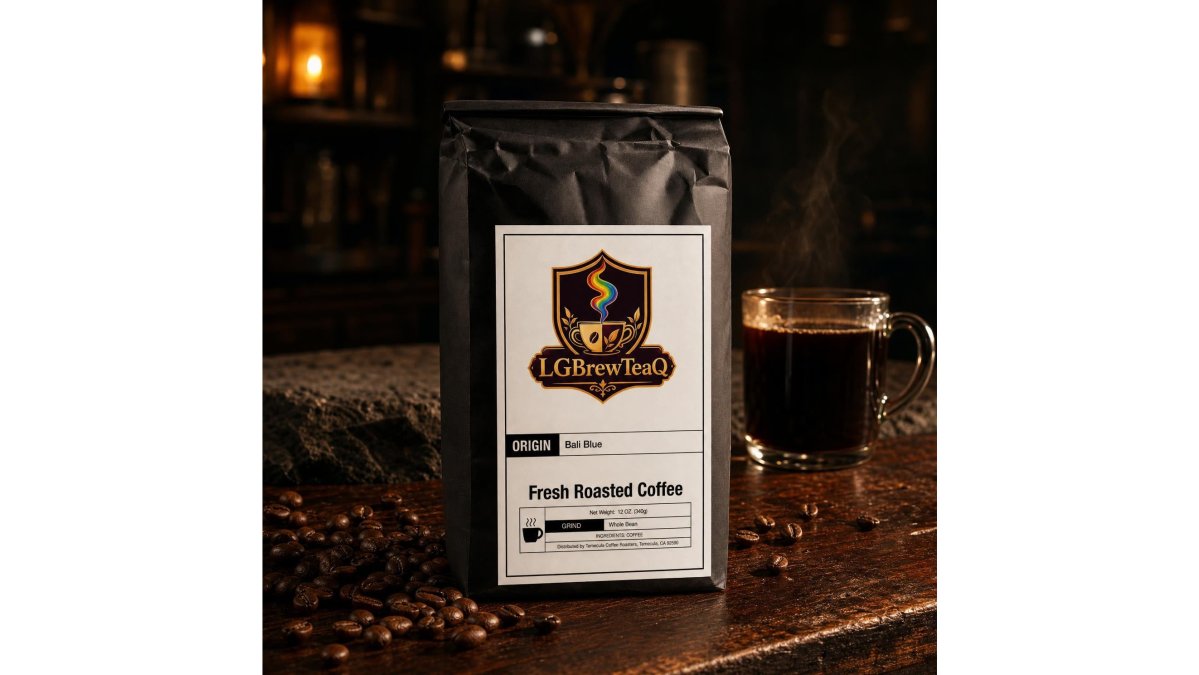
Bali Blue earns the top spot for one reason: near-zero acidity without sacrificing flavor. Grown in the volcanic highlands of Kintamani at elevations up to 1,600 meters, these Arabica beans use the traditional wet-hulled Giling Basah process, which all but eliminates the sharp acids that upset stomachs.

Pros:
- Exceptionally low, stomach-friendly acidity
- Heavy body with rich chocolate and molasses notes
- 100% single-origin specialty Arabica
Cons:
- $23.99 per bag is higher than grocery-store coffee
- The syrupy body is intense if you prefer light, tea-like cups
2. Peru Decaf: Best for Afternoon and Evening Sipping
Peru Decaf solves the caffeine side of stomach sensitivity without the flavor penalty most decafs carry. These single-origin beans from the Piura and Amazonas regions use the chemical-free Swiss Water Process, preserving caramel sweetness and citrus clarity.

Pros:
- Swiss Water Process, no chemical decaffeination
- Rich caramel and citrus flavor
- Gentle, balanced acidity
Cons:
- Not a solution if acid, not caffeine, is your trigger
- Medium roast means slightly more acid than a dark roast
3. Coffee with Mushrooms (Medium Roast): Best for Focus Without the Jitters
Caffeine jitters often travel with stomach upset, and this medium roast blends specialty coffee with Lion's Mane, Cordyceps, and Reishi to smooth that out. The trio supports cognitive clarity and calm stamina for clean morning energy without the spike-and-crash cycle.
Pros:
- Lion's Mane, Cordyceps, and Reishi infused evenly
- Smooth chocolate and nutty flavor
- Gentle acidity, rounded body
Cons:
- Earthy undertones are not for everyone
- Still contains caffeine
4. Coffee with Mushrooms (Dark Roast): Best for Bold Flavor Seekers
Dark roast lovers get the same mushroom trio in a heavier, smokier package. Slow-roasted for deep caramelized cocoa, toasted molasses, and smoky caramel, it has low, gentle acidity and a full, syrupy body that stands up to milk and cream.
Bali Blue - Single Origin Medium-Dark →
Pros:
- Low, gentle acidity from a dark roast profile
- Full, heavy, syrupy body
- Bold dark cocoa and smoky caramel notes
Cons:
- Smoky profile is polarizing
- Dark roast oils can be harder on some sensitive stomachs than medium
5. Instant Coffee with Mushroom: Best for Travel and Quick Cups
Instant coffee is usually the worst option for a sensitive stomach. This one flips that: artisan instant coffee plus 100% real whole mushroom powder delivers Lion's Mane, Cordyceps, and Reishi in seconds with just hot water.

Pros:
- Ready in seconds, no equipment needed
- Real whole mushroom powder, not extracts
- Approximately 42 servings per bag
Cons:
- Instant coffee lacks the depth of freshly brewed
- Sediment requires a stir
6. Cold Brew Coffee: Best for Iced Coffee Lovers
Cold brew is one of the most stomach-friendly methods because cold water extracts far fewer acids than hot water. This blend is roasted to a clean medium for 16 to 24-hour cold steeps, yielding smooth dark chocolate, buttery toffee, and subtle florals with exceptionally low acidity.
Pros:
- Exceptionally low acidity when brewed cold
- Ultra-smooth, creamy body
- Nitro-ready and works hot or iced
Cons:
- Requires 16 to 24 hours of steeping
- Needs coarse grinding and a filter setup
How to Reduce Coffee Acidity at Home
You do not need new beans to make your current coffee gentler. Acidity in the cup depends on three variables you control: how long water contacts the grounds, how hot that water is, and how much you drink.
Other stomach-friendly brewing methods worth trying:
- French press: preserves oils that buffer acidity; use a coarse grind and a four-minute steep
- Pour-over: a clean cup if you keep the water temperature at 205°F or below, and the paper filter strips irritating oils
- Cold brew: the lowest-acid method overall
- Espresso: short contact time limits acid extraction, though concentration is higher and the lack of a paper filter leaves oils in the cup
- Aeropress: paper filter plus a short steep gives you a middle path between pour-over clarity and French press body
Track Your Symptoms, Not Just Your Beans
Most guides say "listen to your body" and stop there. A written log does the work for you. For one to two weeks, note five things each time you drink coffee: bean and roast level, brew method, cup size, time of day, and how your stomach felt two hours later. Add a column for anything else you ate or drank in that window, because reflux triggers are cumulative, a low-acid cup on an empty stomach can still flare after a tomato-heavy lunch.
Frequently Asked Questions
What is the most gut-friendly coffee?
Cold brew and low-acid options like Bali Blue tend to be gentlest. Cold brewing extracts fewer acids over 16 to 20 hours, while Bali Blue's medium-dark roast and wet-hulled processing almost eliminate stomach-upsetting acidity. Look for beans with low chlorogenic acid content and avoid light roasts, which preserve more of the compounds that trigger discomfort.
Is organic coffee easier on the stomach?
Organic certification doesn't directly lower acidity, but it does reduce exposure to synthetic pesticides. The bigger factors for stomach comfort are roast level, brewing method, and caffeine content.
Does dark roast coffee cause less acid reflux?
Dark roast coffee generally contains lower levels of chlorogenic acid, the compound most linked to stomach irritation. The longer roasting process breaks down some of these acids. However, dark roast can still trigger reflux in some people due to caffeine and other compounds. If reflux is your main concern, try cold brew made with dark roast beans and monitor your symptoms.
How does mold-free certification impact stomach sensitivity?
Mold-free certification means the beans have been tested for mycotoxins, which are invisible mold compounds that can cause digestive upset, fatigue, and brain fog. Beans that are toxin-tested and stored properly reduce your exposure to these irritants. Look for brands that publish third-party test results for heavy metals and mycotoxins.
Can I make regular coffee less acidic at home?
Yes. Try cold brewing instead of hot brewing, as cold water extracts fewer acids. You can also lower your brewing temperature to around 190°F, use a coarser grind, and shorten steep time. Adding a pinch of salt or a splash of milk can also buffer acidity. Starting with low-acid beans like Bali Blue gives you the biggest head start.