

How to Brew Specialty Loose Leaf Tea: A Complete Guide
Table of Contents
- Why Water Quality and Temperature Matter for Loose Leaf Tea
- Loose Leaf Tea Brewing Temperature Guide by Tea Type
- Steeping Times for Different Tea Types
- Measuring the Right Tea-to-Water Ratio
- Best Tea Infusers for Specialty Loose Leaf Tea
- How to Brew Loose Leaf Tea Step-by-Step
- Troubleshooting Bitter or Weak Loose Leaf Tea
- Advanced Brewing Techniques for Whole Leaf Tea
- Frequently Asked Questions
Last Updated: September 29, 2026
Why Water Quality and Temperature Matter for Loose Leaf Tea
When you brew loose leaf tea, water quality and temperature fundamentally determine what ends up in your cup. Filtered water eliminates chlorine, minerals, and sediment that mask tea's true character. White and green teas require gentler heat (160-185°F) to preserve delicate floral notes; black and oolong teas need hotter water (195-212°F) to fully unfurl.

Loose Leaf Tea Brewing Temperature Guide by Tea Type
Temperature is the most important brewing variable. A tea leaf's oxidation level determines how much heat it can handle without becoming bitter.
White and Green Tea Temperatures
White tea steeps best at 160-180°F to extract subtle floral notes and honeysuckle sweetness without harsh tannins. Green tea tolerates 170-185°F, protecting fresh, grassy character while allowing full extraction. Without a thermometer, let boiling water cool for 3-5 minutes before pouring onto delicate teas.
Oolong and Black Tea Temperatures
Oolong steeps at 195-205°F, revealing roasted orchid petals and toasted walnut warmth. Black tea demands 205-212°F (boiling water is ideal) to deliver full body and brisk snap.
Herbal and Pu-erh Tea Temperatures
Herbal infusions steep in boiling water (212°F) for 5-7 minutes and are nearly impossible to over-extract. Pu-erh tea, fermented and aged, brews at 205-212°F and tolerates longer steeping without bitterness.
Steeping Times for Different Tea Types
Steeping time determines how much flavor transfers into your water. Too short produces weak tea; too long produces bitter tannins.
First Steep Guidelines
White and green tea: 2-3 minutes. Oolong: 3-5 minutes depending on roast level. Black tea: 3-5 minutes. Herbal infusions and pu-erh: 5-7 minutes.
Re-steeping and Multiple Infusions
Whole leaves unfurl gradually and yield multiple infusions. White and green teas: 2-3 infusions. Oolong: 4-6 infusions, each noticeably different. Black tea: 2-3 steeps. Add 30 seconds to each subsequent steep.
Measuring the Right Tea-to-Water Ratio
Use 1 teaspoon of loose leaf tea per 8 ounces of water as a baseline. Adjust upward for fluffy leaves (white tea, oolong) and downward for dense leaves (gunpowder green tea). If your cup tastes weak, increase leaf amount before increasing steep time.
| Tea Type | Leaf Amount | Water Volume | Steep Time (First) | Steep Time (Re-steep) |
|---|---|---|---|---|
| White Tea | 1-1.5 tsp | 8 oz | 2-3 min | +30 sec each |
| Green Tea | 1-1.5 tsp | 8 oz | 2-3 min | +30 sec each |
| Oolong | 1.5 tsp | 8 oz | 3-5 min | +30 sec each |
| Black Tea | 1-2 tsp | 8 oz | 3-5 min | +30 sec each |
| Herbal | 1.5 tsp | 8 oz | 5-7 min | +30 sec each |
| Pu-erh | 1 tsp | 8 oz | 3-5 min | +30 sec each |
Best Tea Infusers for Specialty Loose Leaf Tea
The vessel you brew in shapes the experience. Whole leaves need room to expand and release compounds. A cramped infuser produces weak, sometimes bitter tea.
Stainless Steel Mesh Infusers
Mesh infusers are durable and effective, allowing water to flow freely while containing leaf fragments. They work best with larger leaf pieces like whole leaf oolong, black tea, and herbal infusions.
Tea Balls and Portable Infusers
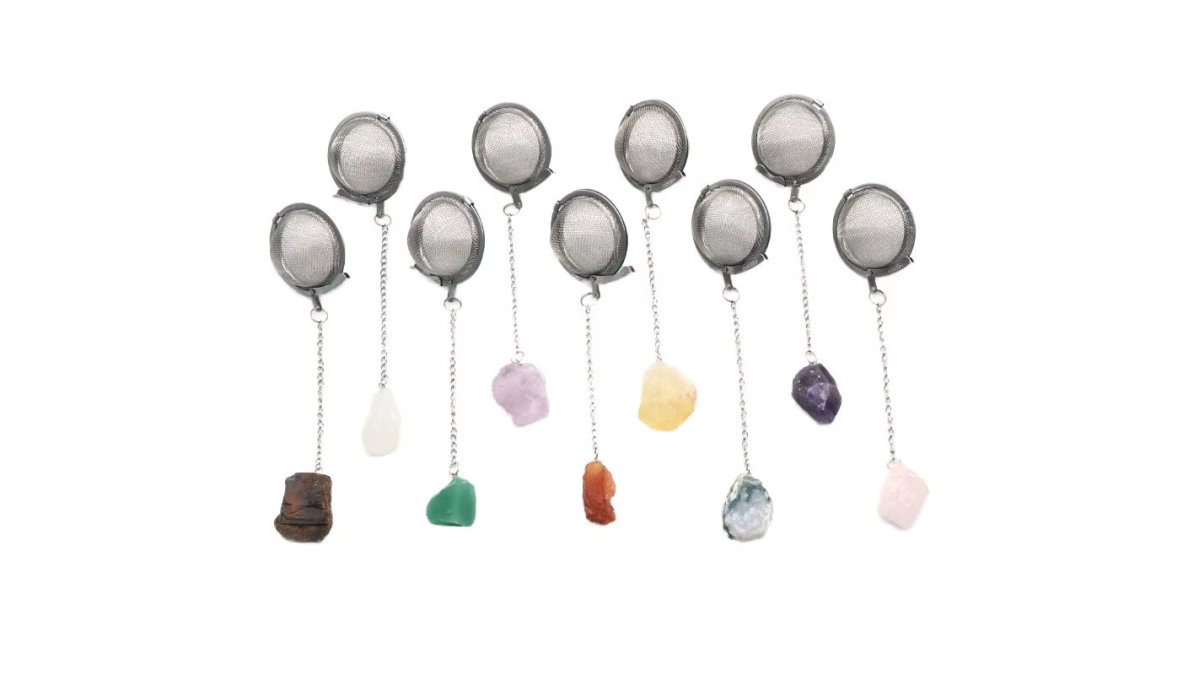
Tea balls are compact and portable but restrict leaf expansion, producing weaker, sometimes more bitter tea than open infusers.
Brewing Vessels That Honor Leaf Expansion
The container matters as much as the infuser. Whole leaves need vertical space to unfurl. A wide, tall vessel allows free movement and even water circulation.
How to Brew Loose Leaf Tea Step-by-Step
The process is straightforward once you understand the variables. Here's the exact sequence that produces consistently excellent results.
Step 1: Start with Filtered Water
Fill your kettle with filtered water. If your tap water is already clean and soft, a basic pitcher filter is sufficient. If your water is mineral-heavy or chlorinated, invest in a more strong filtration system. The quality of your water directly impacts the final cup.

Step 2: Heat to the Right Temperature
This step determines whether your cup will be bright and clean or bitter and astringent. White and green teas require 160°F to 185°F. Oolong needs 195°F to 205°F. Black tea and herbals need 205°F to 212°F.
Step 3: Measure Your Tea Leaves
Use the standard ratio: 1 teaspoon of loose leaf tea per 8 ounces of water. Adjust upward for fluffy leaves like white tea or oolong, or downward for dense leaves like gunpowder green tea.
Artisan Whole Leaf Tea Tasting Flight →
Step 4: Steep and Decant
Pour your heated water over the tea. Watch the leaves begin to unfurl. Set a timer based on tea type: 2-3 minutes for white and green tea, 3-5 minutes for oolong and black tea, 5-7 minutes for herbals.
Step 5: Rinse Leaves for Re-steeping
Don't discard your leaves yet. Rinse them with a small amount of hot water (same temperature as your original brew). This removes surface dust and prepares the leaves for a second steep.
Most whole leaf teas yield 2-4 re-steeps.
Troubleshooting Bitter or Weak Loose Leaf Tea
Most flavor problems trace back to temperature, time, or leaf quantity, not the tea itself.
Why Your Tea Tastes Bitter
Water that's too hot. Green tea brewed at 195°F instead of 180°F tastes noticeably astringent. Lower the temperature by 10°F on your next steep.
Why Your Tea Tastes Weak
A weak cup means under-extraction. Not enough flavor compounds have transferred into the water.
Common Brewing Mistakes to Avoid
Don't use boiling water on delicate teas. It damages tender leaves, producing bitter results.
Advanced Brewing Techniques for Whole Leaf Tea
Once you've mastered the basics, these techniques reveal deeper complexity and allow you to explore the full potential of premium whole leaf teas.
The Gaiwan Method
A gaiwan is a traditional Chinese brewing vessel: a small lidded bowl with a saucer. It's the gold standard for exploring whole leaf tea, especially oolong and pu-erh.
Cold Brewing Overnight
Cold brewing uses time instead of heat. Place 2 tablespoons of loose leaf tea in a jar with 32 ounces of cold filtered water. Cover and refrigerate for 8-12 hours.
Frequently Asked Questions
What is the best way to brew loose leaf tea at home?
Start with filtered water heated to the correct temperature for your tea type: 175-180°F for delicate greens and whites, 195-205°F for oolongs and blacks, and 200-212°F for herbal and pu-erh. Measure 1-2 teaspoons of whole leaf tea per 8 oz of water, steep for 2-5 minutes depending on the variety, then pour into a clear vessel or wide-rim cup to watch the leaves unfurl. This method extracts balanced flavor and aroma without bitterness.
How do steeping times for different tea types vary?
White and green teas steep 2-3 minutes at lower temperatures to preserve delicate floral and grassy notes. Oolongs and black teas typically steep 3-5 minutes at higher temperatures to develop rich body and tannin structure. Herbal and pu-erh teas can steep 5-7 minutes at boiling water. Premium whole leaves can be re-steeped 2-4 times, with each subsequent steep adding 30 seconds, revealing new flavor layers with every infusion.
What is the best infuser for loose leaf tea?
Stainless steel mesh infusers or strainers work well for most tea types because they allow full leaf expansion and easy rinsing. Portable infuser balls are ideal for travel. For the best experience, use a wide-rim ceramic or glass brewing vessel that gives whole leaves room to unfurl fully, which is essential for extracting balanced flavor and aroma without harsh tannins.
How does water temperature affect the flavor of specialty tea?
Water that is too hot over-extracts tannins, creating bitter, astringent cups, especially with delicate white and green teas. Water that is too cool under-extracts, leaving the tea weak and flat. The correct temperature unlocks the intended flavor profile: cooler water (175-180°F) preserves jasmine's floral sweetness and spring greens' crisp character, while hotter water (205-212°F) develops the malty depth and caramel notes in black teas and aged pu-erh.
What common mistakes should I avoid when brewing loose leaf tea?
Avoid using boiling water for delicate teas, steeping too long (which causes bitterness), using tap water (minerals and chlorine mask flavor), and overcrowding the infuser (leaves need space to expand). Don't discard leaves after the first steep; premium whole-leaf tea yields 3-4 infusions. Also avoid brewing in a cramped vessel; leaves need room to unfurl fully for balanced extraction and aroma.
How much loose leaf tea should I use per cup?
Use 1-2 teaspoons (roughly 2.5-5 grams) of whole leaf tea per 8 oz of water as a starting point. Delicate teas like white and jasmine green tea may lean toward 1 teaspoon, while bold black teas and pu-erh benefit from a full 2 teaspoons. Adjust to your taste preference after the first brew. Whole leaves take up more space than broken tea, so don't pack the infuser; leaves must have room to expand and extract properly.
Can I re-steep the same loose leaf tea leaves?
Yes, premium whole-leaf tea is designed for multiple infusions. Unlike broken tea bags that release all flavor in one steep, whole leaves unfurl gradually and reveal new flavor layers with each re-steep. Most specialty teas yield 3-4 infusions. Add 30 seconds to each subsequent steep to account for the slower release of flavor from already-opened leaves. This method maximizes value and lets you explore the tea's full complexity.