

How to Make Cold Brew with Specialty Beans: Step-by-Step Guide
Last Updated: November 22, 2026
Quick Summary
To make cold brew with specialty beans, steep coarsely ground coffee in cold filtered water in the fridge for 16 to 20 hours, then strain it twice. Use a ratio of about 1:8 coffee to water by weight for a ready-to-drink batch.
- Grind whole beans coarse, about the texture of sea salt, right before brewing.
- Use a ready-to-drink ratio of about 1:8 coffee to water by weight.
- Steep in the fridge for most batches between 16 and 20 hours.
- Strain first through a fine mesh, then through a paper filter or nut-milk bag.
- Taste at 12 hours for light roasts and 16 hours for medium and dark roasts.
Table of Contents
- How to Make Cold Brew with Specialty Beans at Home
- What You'll Need: Beans, Grinder, Water, and a Container
- Choosing Specialty Beans for Cold Brew by Origin and Flavor
- Cold Brew Ratio: Coffee-to-Water Measurements That Work
- Grinding Whole Beans Coarse, and Using Ground Coffee
- Cold Brew Steep Time, Water, and Straining Step by Step
- Booking Your Next Batch: Ordering Specialty Beans for Cold Brew
- Frequently Asked Questions
How to Make Cold Brew with Specialty Beans at Home
Cold brew with specialty beans is one of the easiest ways to get a smooth, low-acid coffee at home. The method is simple: coarse grounds, cold water, and time in the fridge. The payoff is a coffee that tastes sweet and chocolatey instead of sharp.
Cold brew is a coffee concentrate or ready-to-drink coffee made by steeping coarsely ground coffee in cold or room-temperature water for many hours, then straining the grounds out.
Specialty beans matter here because they are chosen for their flavor character. A good cold brew starts with fresh beans, a coarse grind, and a steady ratio. Each step is easy on its own. Together, they make a big difference.
What You'll Need: Beans, Grinder, Water, and a Container
You don't need fancy gear to make cold brew. Most home setups use four things.
- Whole specialty beans that were roasted recently
- A burr grinder set to coarse, or a grinder that can reach a coarse setting
- Cold filtered water
- A glass jar, pitcher, or French press with a lid or a fine mesh strainer
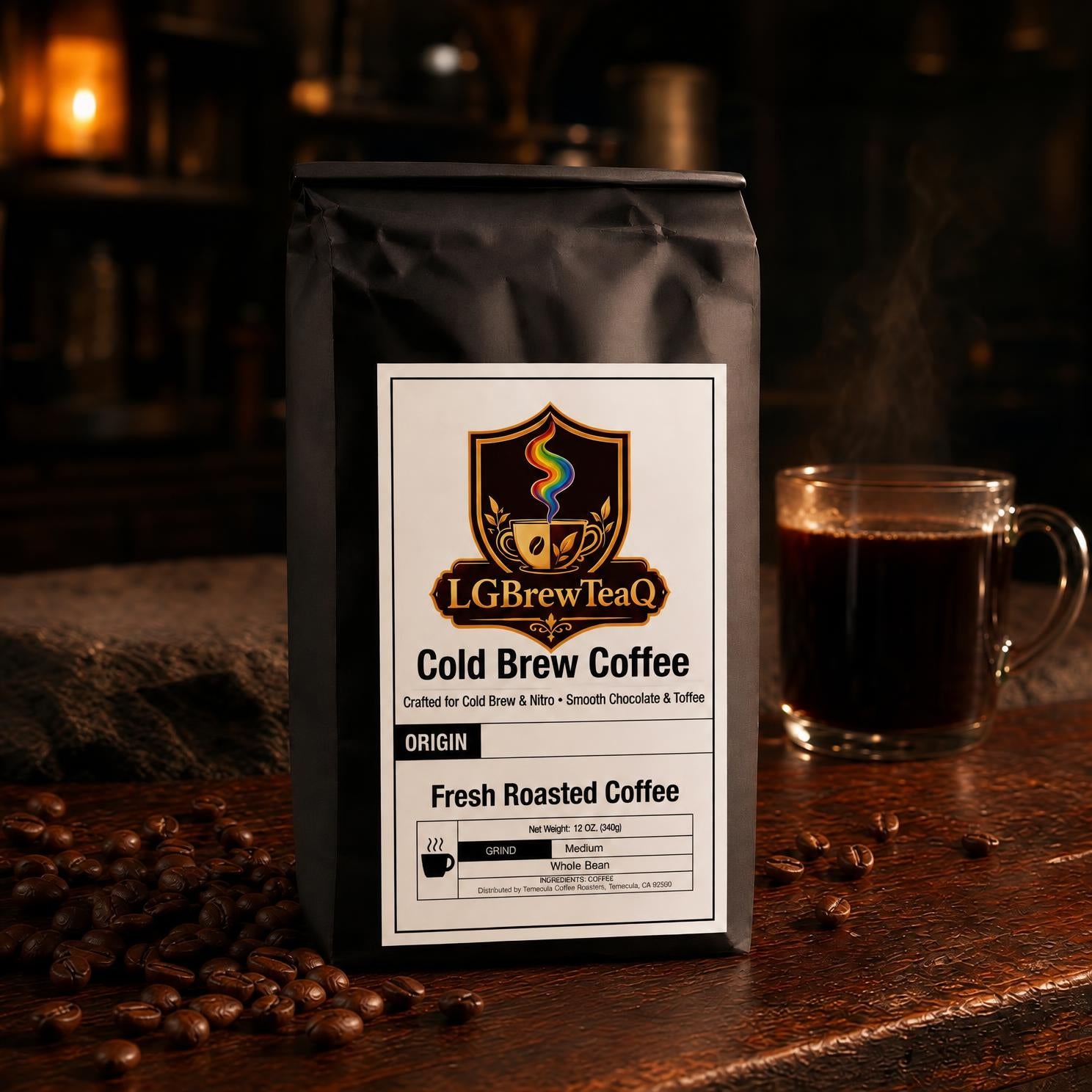
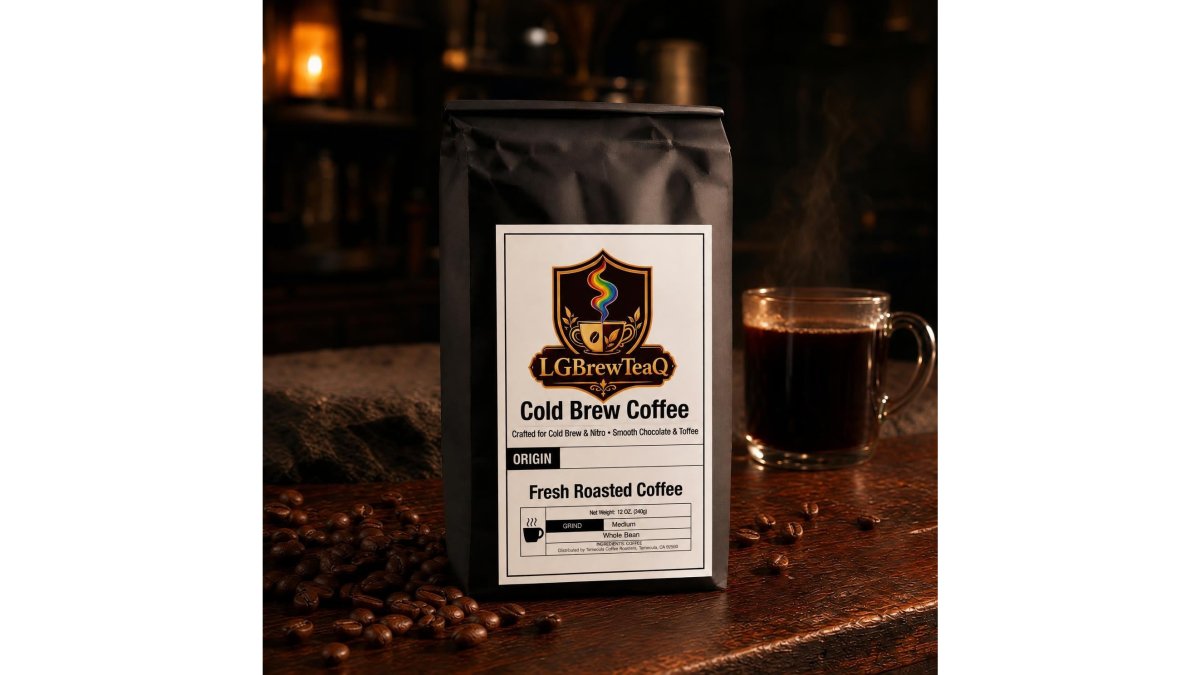
Our Cold Brew Coffee is roasted to a balanced medium, which makes it a strong choice for slow steeping. It costs $23.99 and is built for long, cold brews.
Watch out: Don't use a fine grind. Fine coffee over-extracts in cold water and turns muddy and bitter, with a lot of sediment in the glass.
Choosing Specialty Beans for Cold Brew by Origin and Flavor
Cold water is a patient, gentle solvent.
Start with the flavor goal, then work backward. Decide what you want in the glass before you shop: chocolate and caramel, stone fruit and berry, citrus and floral, or something clean and tea-like.
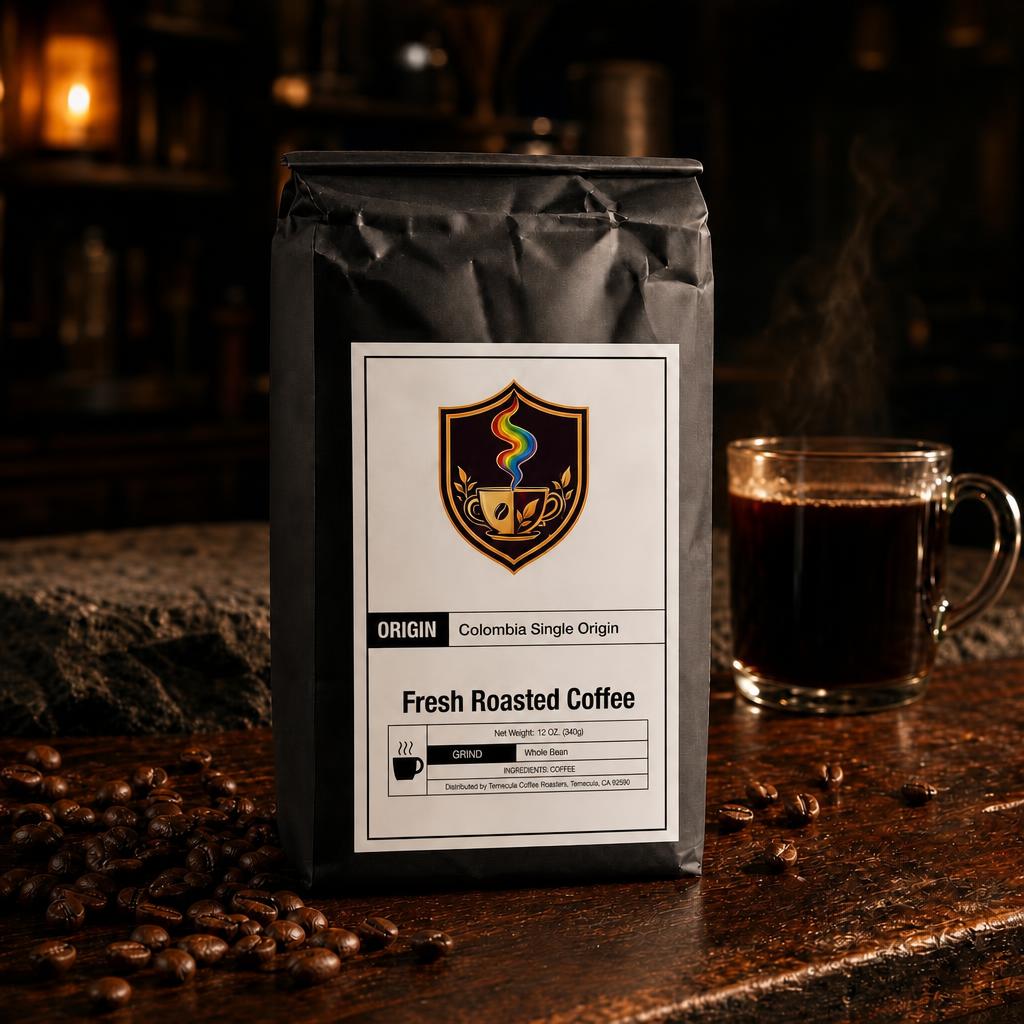
Origin sets the baseline. As a general pattern, Latin American coffees (Colombia, Guatemala, Costa Rica, Honduras) tend toward chocolate, caramel, red apple, and citrus, and they translate into cold brew that tastes round and dessert-like. Our Colombia Single Origin Coffee, dark chocolate depth with mango and peach, is a useful reference point for the Latin American profile in a cold brew.
Processing method changes how much flavor survives the steep. Washed coffees are clean and structured; their acidity is orderly, and they tend to produce a transparent, easy-to-read cold brew.
Roast level is a lever, not a rule. Light roasts preserve origin character and acidity, but cold water extracts them slowly, so a very light roast can taste thin or grassy if you steep it for only 12 hours.
Read the bag like a recipe. Look for a roast date, not a best-by date; a bag roasted within the last two to four weeks gives you the most aromatic cold brew, while very fresh beans (under five days) can off-gas and taste flat. Look for a processing method listed (washed, natural, honey), a varietal if the roaster provides one, and tasting notes that match your goal. Tasting notes are the roaster's honest description of what the coffee tastes like, use them as a shopping filter, not marketing.
Match the bean to the steep you are willing to run. If you want a set-and-forget 18-hour fridge batch, choose a medium-roast washed or honey coffee with chocolate, caramel, or red-fruit notes.
If you are not sure where to start, a Single Origin Favorites Sample Pack lets you brew the same recipe across six regions and taste the difference for yourself, the fastest way to learn which origin and process you actually prefer in cold brew. For a deeper look at why origin changes flavor, read Why Single Origin Coffee Flavor Profiles Vary by Region.
Cold Brew Ratio: Coffee-to-Water Measurements That Work
The coffee-to-water ratio controls how strong your cold brew is. A common starting point is a 1:8 ratio by weight, meaning 1 gram of coffee for every 8 grams of water. For example, 100 grams of coffee with 800 grams of water makes a ready-to-drink batch Counter Culture Coffee's cold brew guide.
Concentrate works differently. A denser ratio of about 1:4 makes a strong base you dilute with water or milk. Other guides use about 1:5 for concentrate, so there's no single right number. Pick the ratio that fits how you plan to drink it.
- Ready-to-drink: about 1:8 by weight
- Concentrate: about 1:4 to 1:5 by weight, then dilute
- Test: change one variable at a time and taste the result
Using a kitchen scale gives you consistent results. Measuring by volume makes it hard to repeat a good batch.
The table below sums up the main ratios from this section so you can pick the one that fits how you plan to drink your cold brew.
| Style | Ratio (by weight) | How to use it |
|---|---|---|
| Ready-to-drink | About 1:8 | Drink straight from the batch |
| Concentrate | About 1:4 to 1:5 | Dilute with water or milk |
| Test | One variable at a time | Taste the result before changing another |
Grinding Whole Beans Coarse, and Using Ground Coffee
Grinding right before you brew is the single biggest step you can take for flavor. Whole beans keep their aroma far longer than ground coffee. Grind them coarse, about the texture of sea salt or coarse sand.
Pre-ground coffee works too, but it goes stale faster. If you buy ground coffee, look for a coarse grind labeled for cold brew or French press. Use it within a few weeks of the roast date for the best taste.
Watch out: Coffee that is ground too fine will make your cold brew cloudy and gritty, even after straining.
Cold Brew Steep Time, Water, and Straining Step by Step
This is a repeatable, gram-based method you can scale from a single glass to a week of concentrate without losing consistency. The numbers below assume a medium-roast specialty coffee; adjust with the troubleshooting guide at the end.
Before you start: water matters. Cold brew is roughly 98% water, so the water you use sets the ceiling on clarity and sweetness.
Scale the recipe by weight, not volume. The base ratio is 1:8 coffee to water for ready-to-drink cold brew, and 1:4 to 1:5 for concentrate you will dilute. Weigh both the coffee and the water on a kitchen scale; a cup of coarse grounds varies too much by grind and bean density to be reliable.
- One serving (about 10 oz ready-to-drink): 30 g coarse coffee + 240 g cold filtered water.
- Standard 1-quart batch (about 4 cups concentrate): 100 g coarse coffee + 400 g water at 1:4, or 100 g + 500 g at 1:5.
- Week batch (about 8 cups concentrate): 200 g coarse coffee + 800 g water at 1:4.
To scale any batch, keep the ratio fixed and multiply both numbers. A 1:4 concentrate scaled to 250 g of coffee needs 1,000 g of water; the steep time stays the same because the bed depth and ratio are unchanged.
Step by step:
- Grind coarse. Set your burr grinder to a coarse setting, roughly the texture of coarse sea salt, with visible flat shards rather than powder. Grind just before brewing. If you are using pre-ground coffee, choose a bag labeled for cold brew or French press and use it within a few weeks of the roast date.
- Add the coffee to the container, then the water. Put the grounds in a glass jar, pitcher, or French press, then pour the weighed cold filtered water over them. Pour slowly and stir gently for about 30 seconds so every ground is saturated and no dry pockets remain at the bottom.
- Cover and chill. Seal the container and refrigerate. Fridge steeping (roughly 38-40°F) is slower and cleaner than counter steeping; most specialty batches land between 16 and 20 hours. Start tasting at 12 hours for light roasts and 16 hours for medium and dark roasts.
- Strain in two passes. First pour through a fine-mesh strainer to catch the bulk of the grounds. Then line the strainer with a paper coffee filter, a nut-milk bag, or a double layer of cheesecloth and strain again into a clean vessel. The second pass is what removes the fine sediment that makes cold brew cloudy. Do not squeeze the filter, pressing forces fines through and adds bitterness.
- Serve or dilute. Ready-to-drink batches can go straight over ice. Concentrate should be diluted to taste, typically 1 part concentrate to 1-2 parts water or milk, depending on how strong you like it.
- Store. Keep cold brew in a sealed container in the refrigerator and drink it within about a week; flavor fades and acidity creeps up over time. Label the batch with the brew date and ratio so you can repeat or adjust it.
Troubleshoot by taste, not by guesswork. Change one variable at a time and note it on the label.
- Sour, sharp, or thin: under-extracted. Grind slightly finer, extend the steep by 2 hours, or tighten the ratio toward 1:7.
- Bitter, ashy, or drying: over-extracted. Grind coarser, shorten the steep by 2-4 hours, or loosen the ratio toward 1:9.
- Weak but not sour: the ratio is too loose for your taste; move from 1:9 toward 1:8 before changing grind.
- Muddy or silty: too many fines. Grind coarser, improve the second strain, and avoid pressing the filter.
- Flat or hollow: check your water first, chlorinated or mineral-stripped water is the usual culprit, then confirm the beans are within their roast window.
Watch out: Do not judge a batch at hour 8 and dump it. Cold extraction is slow and non-linear; a batch that tastes weak at 8 hours is often balanced at 16, and the most common home mistake is under-steeping a good recipe.
Booking Your Next Batch: Ordering Specialty Beans for Cold Brew
Once you know which beans you like, keeping a steady supply is easy. Buy the amount you'll use in a few weeks so the beans stay fresh. Learning How to Store Coffee Beans for Freshness helps your beans last between batches.
Our Cold Brew Coffee is the simplest way to skip the prep work. It's roasted for slow steeping and delivered to your door, so you can start your next batch whenever you're ready.
Ready to make a better cup at home? Get started with LGBrewTeaQ and taste the difference that fresh, small-batch beans make.
Frequently Asked Questions
Can I make cold brew with any beans?
You can, but specialty beans give you more control over flavor. Light and medium roasts from a single origin, such as the Ethiopia Single Origin Coffee at $23.99 or the Colombia Single Origin Coffee at $23.99, tend to show fruit and floral notes in a long, cold steep. Darker roasts produce a heavier, more chocolate-forward cup. Choose a roast that matches the flavor you want, then keep the grind coarse and the steep time consistent so you can taste the difference from batch to batch.
Does cold brew need special beans?
No special bean is required, but beans with a clear flavor profile make the result easier to judge. Cold water extracts more slowly than hot water, so the beans' natural sweetness and body come through more clearly, and the acidity stays low. Medium roasts such as the Cold Brew Coffee at $23.99, which is roasted for slow, chilled brewing, are a reliable starting point for a smooth, low-acid batch.
What coffee-to-water ratio should I use for cold brew?
A common starting point is 1:8 by weight, meaning one part coffee to eight parts cold filtered water, for a ready-to-drink cup. For a concentrate you dilute later, use a denser ratio such as 1:4. Weigh your coffee in grams rather than scooping by volume, since scoops vary with grind size. Adjust the ratio by small steps after you taste your first batch.
Can I use ground coffee to make cold brew?
Yes, but ground coffee needs to be coarse. Finer particles extract too quickly in a long steep, which leads to bitterness and sediment in the strained cup. If you buy pre-ground beans, ask for a coarse grind or grind a small batch yourself just before brewing. Whole beans you grind at home keep more of their aroma, which matters most with specialty coffee.
