

Alternatives to French Press for Clean Coffee
Table of Contents
- Why French Press Coffee Isn't Always Clean
- Comparison Table: Alternatives to French Press for Clean Coffee
- Pour-Over vs French Press: Paper Filters and Clarity
- AeroPress vs French Press: Pressure, Filters, and Cleanup
- Coffee Brewing Methods With Less Sediment: Drip and Single-Serve
- Best Coffee Maker for Easy Cleanup
- Taste Trade-Offs and Practical Tips for Cleaner Brewing
- Conclusion
- Frequently Asked Questions
Last Updated: October 6, 2026
Why French Press Coffee Isn't Always Clean
If you love French press flavor but hate the gritty sludge at the bottom of your mug, you are not alone. This guide from LGBrewTeaQ breaks down the best alternatives to french press for clean coffee.
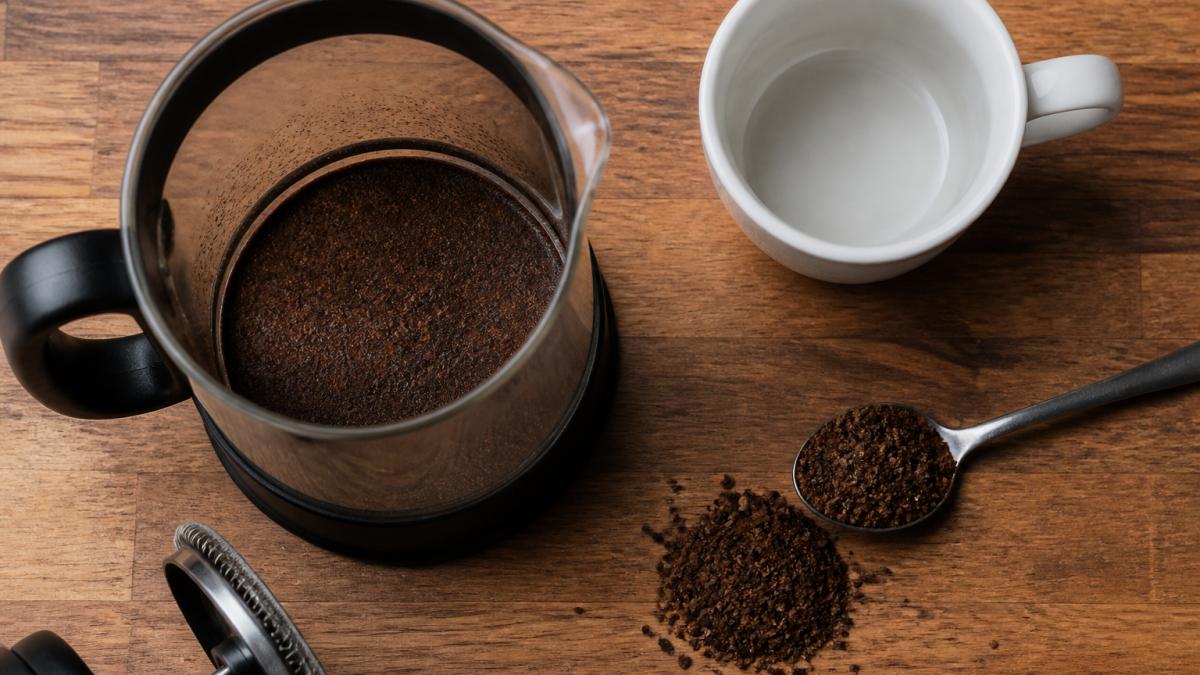
The problem is not your technique. It is the filter.
Sediment, Oils, and the Metal Filter Problem
A French press uses a metal mesh filter with wide holes, which let fine grounds slip through and create that thick, silty texture.
Sediment is the fine, sand-like layer of grounds that settles at the bottom of French press coffee. Coffee oils are the natural fats released during brewing that give French press its signature body.
Comparison Table: Alternatives to French Press for Clean Coffee
Here is how the main alternatives stack up for a cleaner cup with less effort.
| Method | Filter Type | Sediment Level | Cleanup Effort | Best For |
|---|---|---|---|---|
| Pour-over | Paper or metal | Low with paper | Moderate | Slow morning rituals |
| AeroPress | Paper or metal | Very low with paper | Very easy | Small, fast cups |
| Drip coffee maker | Paper | Low | Low | Households, batches |
| Single-serve pods | Built-in paper | Very low | Minimal | Speed and convenience |
| Instant coffee | None needed | None | None | Travel and no equipment |
Pour-Over vs French Press: Paper Filters and Clarity
Pour-over produces a noticeably cleaner cup than a French press because a paper filter catches the fine grounds and most of the oils.

How Pour-Over Delivers a Cleaner Cup
Water passes through a bed of coffee and then a paper filter, which traps particles the French press mesh lets through. The result is a lighter body and a sharper flavor, you taste acidity and sweetness more clearly because heavy oils are not coating your tongue. The trade-off is body; many French press fans call pour-over "thin" at first, but clarity usually wins them over.
Cleanup and Cost Considerations
Pour-over cleanup is simple: lift the filter, dump the grounds, rinse the cone. Paper filters are cheap and widely available; a reusable metal filter cuts waste but lets more sediment through. Brew time runs three to four minutes, and a gooseneck kettle gives the steadiest pour.
AeroPress vs French Press: Pressure, Filters, and Cleanup
The AeroPress beats the French press on cleanup and sediment control in about two minutes, using pressure to push water through a compact bed of coffee and a small filter for a clean cup.
Why AeroPress Wins on Cleanup
The grounds come out as a single compact puck you pop into the trash or compost. No carafe to scrub, no mesh to disassemble, just rinse the plunger.
Paper vs Metal Filters in the AeroPress
Paper filters give the cleanest possible cup; metal filters let more oils and fine particles through. If clean coffee is the goal, stick with paper. The one limitation: the AeroPress brews one cup at a time.
Coffee Brewing Methods With Less Sediment: Drip and Single-Serve
Drip and single-serve machines both rely on paper filtration, which is why they land near the bottom of the sediment scale.
Drip Coffee Makers: Gravity Plus a Paper Basket
A drip coffee maker works by gravity: water heats in a reservoir, sprays over the grounds in the basket, and drains through a paper filter into the carafe.
Two practical variables matter more than the machine's price tag:
- Basket shape. Flat-bottom baskets distribute water more evenly than cone baskets, which tend to channel down the center, so fewer over-extracted and under-extracted pockets end up in the same pot.
- Grind consistency. Drip calls for a medium grind, roughly the texture of table salt. Uneven grind lets fine dust slip through the paper while coarse chunks under-extract, giving you sediment and a weak cup at once.
Cleanup is the easiest of any loose-ground method: lift the paper filter with the grounds inside, toss it, and rinse the carafe.
Single-Serve Pods: The Cleanest, Easiest Option
Single-serve pods deliver the cleanest cup with the least effort: no loose grounds, no measuring, nothing to scrub.
Our 12 Pack Single Serve Coffee Capsules use that even-spread internal filter design, and each capsule is sealed oxygen-free to protect the aroma until you brew it.

For heavier drinkers, the 60 Pack Single Serve Coffee Capsules covers about two months of daily brewing.
Two honest limitations: pods cost more per cup than loose grounds, and spent capsules generate more waste than a paper filter and a scoop of grounds.
Drip vs. Pods: Which Is Cleaner?
Both land at "low" sediment because both use paper. The difference is consistency and control:
USB Rechargeable Ceramic Electric Coffee Grinder →
- Pods win on consistency. Every capsule is pre-measured and pre-ground, so the only variable is your machine.
- Drip wins on cost and waste. Grounds and paper filters cost far less per cup than pods, and the waste stream is smaller.
- Drip wins on volume. A 12-cup drip machine makes a full pot in one cycle; pods make one cup per capsule.
For the cleanest possible cup with the least effort, pods are the answer. For a clean cup at the lowest cost per serving, drip is the answer.
Best Coffee Maker for Easy Cleanup
The best coffee maker for easy cleanup is a single-serve pod machine, because there is no basket, carafe, or wet grounds to handle, you remove the used capsule and you are finished. But "easy cleanup" depends on how you count it: parts to wash, time per brew, and how often the equipment needs a deep clean.
Cleanup by the Numbers
These are typical figures for a single-cup brew based on common practice, not a lab test; your times will vary.
| Method | Parts to Wash | Active Cleanup Time | Clog / Deep-Clean Risk |
|---|---|---|---|
| Single-serve pod machine | 0 (capsule is disposable) | Under 10 seconds | Low; descale every 3-6 months |
| Instant coffee | 1 (spoon and mug) | Under 10 seconds | None |
| AeroPress | 2 (plunger, cap) | 15-30 seconds | Low; rinse the seal |
| Drip coffee maker | 2 (basket, carafe) | 30-60 seconds | Moderate; oils build in the basket |
| Pour-over | 2 (cone, carafe) | 30-60 seconds | Low; rinse the cone |
| French press | 4 (carafe, plunger, mesh, lid) | 2-4 minutes | High; fines pack into the mesh |
That last line is the whole reason this guide exists: the French press is the most labor-intensive option on the list to clean, and the mesh is the part that fights back.
Why the French Press Mesh Is the Real Problem
The French press mesh is a stack of fine stainless-steel screens, and coffee fines, the dust-sized particles a blade grinder produces in bulk, wedge between the layers. Rinsing under the tap pushes some deeper, and over weeks those trapped fines turn rancid, giving every subsequent brew a stale, cardboard edge.
What "Easy" Actually Means for Each Method
- Single-serve pod machine: toss the capsule, done. The only recurring chore is descaling every three to six months, depending on water hardness.
- Instant coffee: rinse a spoon and a mug.
- AeroPress: pop the puck into the trash or compost, rinse the plunger and cap; the rubber seal needs occasional attention.
The Grinder Is Half the Cleanup Story
Here is the part most cleanup comparisons miss: the grinder determines how much sediment reaches your filter in the first place.
A burr grinder, ceramic or steel, produces a narrower particle distribution, so fewer fines reach the filter. Our USB Rechargeable Ceramic Electric Coffee Grinder uses a ceramic burr core for exactly this reason.

The Bottom Line on Cleanup
If cleanup effort is your deciding factor, rank the methods this way: pod machine and instant coffee first, AeroPress second, drip and pour-over third, French press last. The gap is a ten-second rinse versus a two-minute disassembly, every morning.
Taste Trade-Offs and Practical Tips for Cleaner Brewing
Cleaner brewing changes the cup in predictable ways. Knowing what you gain and give up helps you pick the right method.
What You Gain and Give Up
You gain clarity, brightness, and a cleaner finish; you give up body and some of the heavy, syrupy mouthfeel French press fans love. That is the trade, not a flaw. Some drinkers find paper-filtered coffee tastes "hollow" at first, but that fades once you adjust your ratio and grind.
Grind, Ratio, and Temperature Basics
Three variables drive most of the difference between a muddy cup and a clean one:
- Grind size: coarser for French press, medium for drip and pour-over, fine for AeroPress. Match the grind to the filter.
- Coffee-to-water ratio: start with 1 gram of coffee to 15 grams of water, then adjust to taste.
- Water temperature: aim for 195 to 205 degrees Fahrenheit. Water that is too cool under-extracts and tastes sour; too hot and it turns bitter.
Brew time varies by method. Pour-over runs three to four minutes, AeroPress about two, and drip machines handle it automatically.
Conclusion
Getting a clean cup without giving up good coffee comes down to one decision: paper filtration.
At LGBrewTeaQ, we roast to order and ship fresh beans, single-origin options, and single-serve capsules straight to your door, so the coffee going into your brewer is as good as the method you choose.
Frequently Asked Questions
What can I use instead of a French press?
Pour-over cones, AeroPress, drip coffee makers, and single-serve pod machines are all solid alternatives to a French press. Each uses a paper or metal filter that traps more sediment and oils, giving you a cleaner cup. For the least effort, single-serve pods like LGBrewTeaQ's 12 Pack Single Serve Coffee Capsules ($19.99) or Bali Coffee Pods ($19.99) are ready in under a minute with zero cleanup. If you prefer manual brewing, an AeroPress or pour-over setup offers more control over grind size and water temperature.
Which coffee brewing method makes the cleanest cup?
Methods that use a paper filter, such as pour-over, drip, and AeroPress with paper filters, produce the cleanest cup because paper traps most sediment and coffee oils. Single-serve pods also deliver a clean cup thanks to their internal filter design. For example, LGBrewTeaQ's single-serve capsules feature an even-flow filter architecture that prevents water from tunneling and ensures even saturation. If you want virtually no sediment, paper-filtered methods are your best bet.
Does pour-over coffee have less sediment than French press coffee?
Yes, pour-over coffee has significantly less sediment than French press coffee. A French press uses a metal mesh filter that lets fine grounds and oils pass through, while a pour-over relies on a paper filter that catches most of those particles. The result is a clearer, lighter-bodied cup. If you enjoy the ritual of manual brewing but want a cleaner drink, pour-over is a direct upgrade from the French press.
Is an AeroPress a good alternative to a French press?
The AeroPress is an excellent alternative to a French press, especially if cleanup speed matters to you. It uses a paper or metal filter and a plunger to push water through the grounds, which reduces sediment. The spent coffee comes out as a neat puck you can pop into the trash, so there's no messy grounds to rinse. It also brews a single cup quickly, making it great for small households or remote workers.
What is the easiest coffee maker to clean?
Single-serve pod machines are the easiest to clean because you never handle loose grounds or rinse a carafe. You just remove the used pod and toss it. LGBrewTeaQ's single-serve capsules, such as the 60 Pack ($59.99) or 12 Pack ($19.99), are compatible with Keurig 1.0 and 2.0 brewers and most standard single-serve machines. For a manual option, the AeroPress is simple: the grounds form a puck that ejects cleanly, leaving little to wash.