

Top 7 High-Altitude Coffee Beans for Home Brewing
Table of Contents
- What Makes High-Altitude Coffee Beans Worth Brewing at Home
- How Altitude Affects Coffee Flavor
- How We Picked the Best High-Altitude Coffee Beans
-
The Top 7 High-Altitude Coffee Beans for Home Brewing
- 1. Ethiopia Single Origin: Yirgacheffe Florals at 1,750 to 2,200 Meters
- 2. Kenya Single Origin: Sparkling Nyeri Acidity at 1,700 to 1,890 Meters
- 3. Uganda: Sipi Falls Bourbon at 1,500 to 2,500 Meters
- 4. Tanzania: Mbeya Highland Sweetness at 1,200 to 1,900 Meters
- 5. Guatemala: Antigua Chocolate Depth at 1,200 to 1,616 Meters
- 6. Costa Rica: Tarrazú Clarity at 1,200 to 1,800 Meters
- 7. Peru: Andean Salted Caramel at 1,100 to 1,700 Meters
- How to Brew High-Altitude Coffee at Home
- High-Altitude Coffee Brands, Freshness, and What You'll Pay
- Altitude Caveats: Why Elevation Alone Doesn't Guarantee a Better Cup
- Conclusion: Pick Your Bean and Start Brewing
- Frequently Asked Questions
Last Updated: October 7, 2026
What Makes High-Altitude Coffee Beans Worth Brewing at Home
Altitude is one of the few measurable variables that reliably predicts cup quality before you grind a bean.
At LGBrewTeaQ, we roast single-origin lots from regions between 1,050 and 2,500 meters. The 7 beans below all come with verified elevation ranges, and we show you how to brew each one.
Most guides list altitude as a bullet point and move on, but altitude is the reason the bean tastes the way it does.
How Altitude Affects Coffee Flavor
Altitude affects coffee flavor by slowing the plant's growth cycle. Cooler mountain air means cherries ripen gradually, giving the bean more time to develop sugars, acids, and aromatic compounds, a denser bean with a more complex flavor profile.
Coffee grown at sea level ripens fast, so the bean never accumulates the same concentration of flavor precursors. Not bad coffee, just simpler coffee.
Bean Density, Slower Growth, and the Closed Fissure Line
Bean density is the physical evidence of altitude: high-grown Arabica beans are harder and heavier because the plant packs more structure into each seed during extended maturation.
Roasters test density because dense beans handle heat differently and often show a tight, closed fissure line, the crease down the center of the bean. A closed fissure usually signals slow development and high sugar concentration.
High-Altitude vs Low-Attitude Coffee: What Changes in the Cup
The cup differences are consistent enough to taste blind. High-altitude coffee delivers sparkling acidity, pronounced sweetness, and aromatic intensity, with notes of fruit, floral, citrus, or spice. Low-altitude coffee leans flatter, often with nutty or earthy tones and muted acidity.
How We Picked the Best High-Altitude Coffee Beans
We picked these beans using four criteria: verified growing elevation, single-origin traceability, roast level suited to home brewing, and value at the listed price. Every bean here has a published elevation range, not a vaguely sourced blend.
Freshness mattered too. Coffee tastes best within a few weeks of roasting, so we favor roasters who work in small batches rather than warehouses full of old stock. Specialty Coffee Association guidance on freshness and storage notes that oxygen, heat, moisture, and light are the main enemies of roasted coffee, which is why roast date matters more than any best-by date.
We also weighted brewing versatility. A bean that only shines in one method is a harder sell for a home brewer who owns a dripper, a press, and maybe an espresso machine.
The Top 7 High-Altitude Coffee Beans for Home Brewing
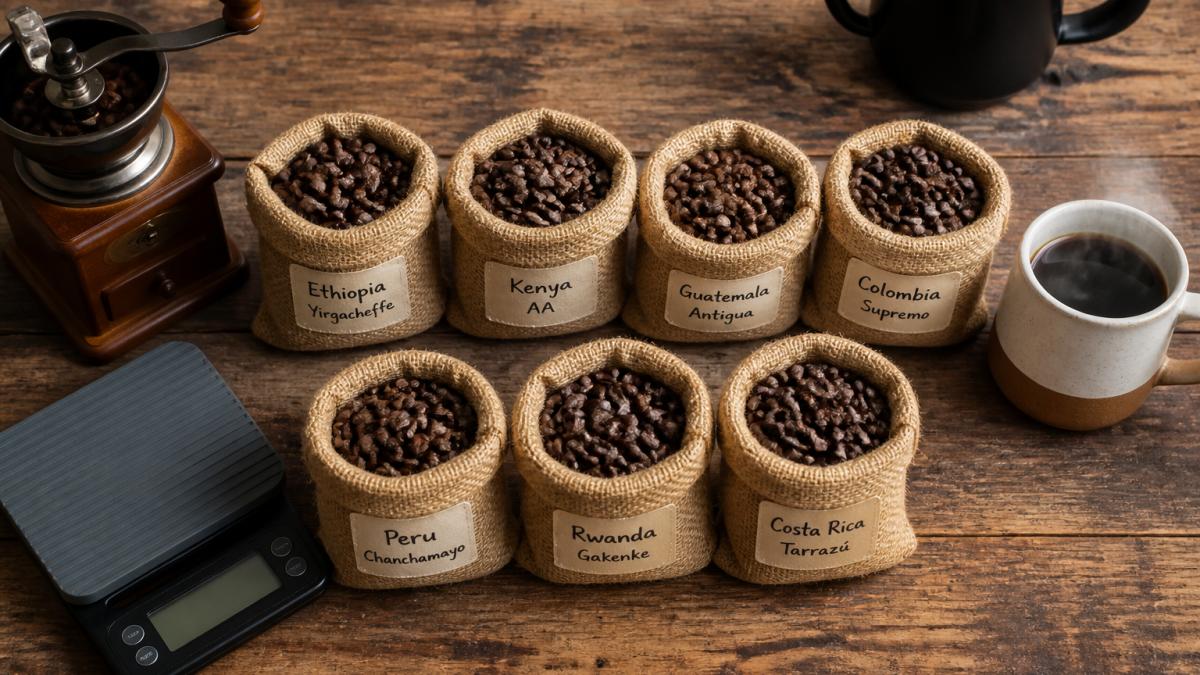
Here are the top 7 high-altitude coffee beans for home brewing, ranked by flavor complexity, sourcing transparency, and performance across common home methods. Every elevation range comes from the roaster's own sourcing notes.
1. Ethiopia Single Origin: Yirgacheffe Florals at 1,750 to 2,200 Meters
Ethiopia is the birthplace of coffee, and this Yirgacheffe lot shows why high-altitude coffee earns its reputation.
The cup is silky and tea-like, with wild jasmine, bergamot citrus, sweet peach, and wildflower honey.
Brew it as pourover in a V60 or Kalita Wave for the clearest floral definition.
$23.99 per bag. This is our top pick for anyone who wants to taste what altitude actually does.
2. Kenya Single Origin: Sparkling Nyeri Acidity at 1,700 to 1,890 Meters
Kenyan coffee from Nyeri County is the benchmark for acidity in specialty coffee.
Expect sweet Valencia orange, Meyer lemon, wild jasmine, and juicy blackcurrant. The light-medium roast keeps the citrus bright without tipping into sourness.
Pourover is the definitive method here. Flash brew over ice locks in the citrus brightness for a crisp iced coffee.
$23.99 per bag. If you like brightness and structure, start here.
3. Uganda: Sipi Falls Bourbon at 1,500 to 2,500 Meters
This is the widest elevation range on the list.
Tasting notes run to rich dark chocolate, ripe blackberry, delicate wildflowers, and sweet plum. Medium roasted with a light, silky body and mild, wine-like acidity.
Pour-over is the standout method, letting the wildflower perfume and crisp dark fruit come through with clarity.
$23.99 per bag. This is the most versatile bean on the list for drinkers who want balance over extremes.
4. Tanzania: Mbeya Highland Sweetness at 1,200 to 1,900 Meters
Tanzanian coffee from the Mbeya region brings a tea-like elegance that surprises people who expect East African coffee to be all acid and no comfort.
The medium-light roast delivers crisp pear, blooming jasmine, sweet strawberry, and delicate florals, with a perfumed aroma and bright, sparkling fruit acidity.
Pourover highlights the jasmine and pear. AeroPress pushes the strawberry sweetness forward.
$23.99 per bag. Best for brewers who want floral complexity without giving up body.
5. Guatemala: Antigua Chocolate Depth at 1,200 to 1,616 Meters
Antigua is one of the classic growing regions.
Rich dark chocolate, sweet butterscotch, and bright fruit define the cup. Medium roasted with a smooth, medium-full body and lively but balanced acidity.
Pourover clarifies the fruit while keeping the butterscotch sweetness. French press deepens the chocolate and adds a velvety finish.
$23.99 per bag. This is the crowd-pleaser of the list, and the one we would hand to a guest who says they do not like "fancy" coffee.
6. Costa Rica: Tarrazú Clarity at 1,200 to 1,800 Meters
Tarrazú is known for pristine clarity, and this single origin delivers it.
Crisp green apple, milk chocolate, honeyed tangerine, and toffee. Medium roasted with a crisp, clean, medium body.
Pourover highlights the apple and citrus brightness with a silky finish. Cold brew yields an ultra-smooth cup where milk chocolate and toffee dominate.
$23.99 per bag. The most approachable bean here for someone moving up from grocery-store coffee.
7. Peru: Andean Salted Caramel at 1,100 to 1,700 Meters
Peruvian coffee from Piura and Amazonas rounds out the list with the lowest elevation range and softest cup.
Salted caramel, silky sweetness, fresh citrus, and milk chocolate.
Pourover delivers a clean, elegant cup. French press enhances the creamy mouthfeel and milk chocolate undertones.
$23.99 per bag. This is the everyday drinker, and the one most likely to become a repeat order.
| Bean | Elevation | Roast Level | Key Tasting Notes | Best Brew Method |
|---|---|---|---|---|
| Ethiopia Yirgacheffe | 1,750-2,200 m | Light-Medium | Jasmine, bergamot, peach | Pourover (V60) |
| Kenya Nyeri | 1,700-1,890 m | Light-Medium | Orange, lemon, blackcurrant | Pourover, flash brew |
| Uganda Sipi Falls | 1,500-2,500 m | Medium | Dark chocolate, blackberry | Pourover, French press |
| Tanzania Mbeya | 1,200-1,900 m | Medium-Light | Pear, jasmine, strawberry | Pourover, AeroPress |
| Guatemala Antigua | 1,200-1,616 m | Medium | Dark chocolate, butterscotch | French press, espresso |
| Costa Rica Tarrazú | 1,200-1,800 m | Medium | Green apple, milk chocolate | Pourover, cold brew |
| Peru Andes | 1,100-1,700 m | Medium | Salted caramel, citrus | Pourover, French press |
How to Brew High-Altitude Coffee at Home
High-altitude coffee rewards a few simple habits. Grind fresh, use water just off the boil, and match the method to the bean rather than forcing every coffee through the same routine.
Water temperature matters more than most home brewers expect: around 200 to 205°F extracts sugars and acids fully without scorching the grounds. A kitchen scale beats a scoop every time, since dense high-grown beans weigh more per scoop than commodity beans.
Pourover, AeroPress, French Press, and Espresso by Bean
Match the method to the bean and you will taste the difference immediately:
- Pourover (V60, Chemex, Kalita Wave): Best for Ethiopia, Kenya, Tanzania, and Costa Rica. Highlights acidity, florals, and clarity.
- AeroPress: Best for Kenya, Tanzania, and Ethiopia. Concentrates sweetness with a rounder body.
- French Press: Best for Uganda, Guatemala, and Peru. Deepens body and chocolate notes.
High-Altitude Coffee Brands, Freshness, and What You'll Pay
Freshness separates good high-altitude coffee from forgettable high-altitude coffee. Roasted coffee loses aromatics within days, and no origin pedigree survives six months in a warehouse.
Buy from roasters who print a roast date, not just a best-by date. Store whole bean coffee in an airtight container away from light and heat, and grind right before brewing. FDA guidance on food storage and shelf life offers general food safety principles that apply to how you handle and store any perishable pantry item, including roasted coffee.
On price, every bean on this list is $23.99 per bag, in the same range as most specialty single origins sold direct. You are paying for verified sourcing, small-batch roasting, and a trustworthy roast date rather than a supermarket brand name.
Altitude Caveats: Why Elevation Alone Doesn't Guarantee a Better Cup
Elevation is a strong signal, not a guarantee. A 2,000-meter bean picked underripe, processed carelessly, or roasted badly will taste worse than a well-handled 1,300-meter lot.
Several factors decide the final cup alongside altitude:
- Variety: Bourbon, Typica, SL28, and heirloom Ethiopian varieties carry more flavor potential than high-yield commercial cultivars.
- Processing: Washed, natural, and pulped natural methods change the flavor profile dramatically.
- Roast level: A dark roast can flatten the delicate acidity that altitude produced in the first place.
There is also a practical ceiling. Above roughly 2,000 meters, frost risk and lower yields make farming harder, which is part of why the highest-grown lots often cost more. USDA information on coffee as a global commodity crop provides background on how coffee is traded and graded internationally, which helps explain why traceable single origins command a premium.
The honest take: use altitude as a screening filter, then judge the roaster on sourcing transparency and roast date.
Conclusion: Pick Your Bean and Start Brewing
Choosing among the top 7 high-altitude coffee beans for home brewing comes down to the cup you want. Bright and floral points to Ethiopia or Kenya. Balanced and chocolatey points to Uganda or Guatemala.
LGBrewTeaQ roasts every one of these single origins to order in small batches, so the bag that reaches your door carries a roast date worth trusting.
Shop Coffee
Frequently Asked Questions
Which brands of coffee are high altitude?
High-altitude coffee comes from farms above roughly 1,200 meters. LGBrewTeaQ's single-origin lineup covers several: Ethiopia from Yirgacheffe at 1,750 to 2,200 meters, Kenya from Nyeri at 1,700 to 1,890 meters, Uganda from Sipi Falls at 1,500 to 2,500 meters, and Tanzania from Mbeya at 1,200 to 1,900 meters. Guatemala, Costa Rica, and Peru round out the list. Each bag is roasted in small batches to order.
Does growing coffee at a higher altitude make it taste better?
Higher elevation slows cherry maturation, which lets beans develop more density and concentrated sugars. That usually shows up as brighter acidity, more layered sweetness, and clearer floral or fruit notes. It is not automatic, though. Variety, processing, roast level, and freshness all shape the final cup. A well-roasted 1,350-meter bean can beat a poorly handled 1,900-meter one, so treat altitude as one signal among several.
What flavor differences are common in high-altitude coffee?
Expect more acidity and aromatic intensity than you get from lower-grown beans. East African lots like Ethiopia and Kenya lean citrus, berry, and floral, with wine-like brightness. Central American origins such as Guatemala and Costa Rica bring milk chocolate, orchard fruit, and toffee. Peru sits in the middle with salted caramel and a clean citrus lift. Roast level matters too: light and medium-light roasts preserve those delicate notes best.
How do you brew coffee at high altitude at home?
Match the method to the bean. Pourover through a V60 or Chemex suits Ethiopia, Kenya, and Costa Rica, where clarity matters most. AeroPress works well for Uganda and Tanzania if you want rounder body with the fruit intact. French press brings out the cocoa and caramel in Guatemala. For drip drinkers, Tanzania, Costa Rica, and Peru brew balanced cups without fuss. Use a 1:15 to 1:16 ratio and water between 200°F and 205°F.
How can you tell whether coffee beans were grown at high altitude?
Check the bag for a stated elevation range and growing region. Reputable roasters list both, along with the variety and processing method. In the cup, high-grown beans tend to show a closed fissure line, feel denser in the hand, and brew with more acidity and aromatic lift. If a label gives no origin detail beyond a country name, you have no way to confirm elevation, which is one reason transparent sourcing matters.