

Alternatives to Paper Coffee Filters for Better Flavor
Table of Contents
- Why Coffee Filter Alternatives Change Flavor
- Coffee Oils and Paper Filters: What Gets Left Behind
- Paper vs Metal Coffee Filter: Clarity Against Body
- Cloth Coffee Filter Options: Cotton and Hemp
- Every Coffee Filter Substitute Worth Trying
- Filter Fit, Brewer Compatibility, and Long-Term Cost
- Cleaning, Maintenance, and Safety for Reusable Filters
- Conclusion
- Frequently Asked Questions
Last Updated: October 20, 2026
Why Coffee Filter Alternatives Change Flavor
The filter you choose is the most overlooked variable in home brewing. Swapping paper for a reusable option is one of the simplest alternatives to paper coffee filters for better flavor, because the material decides how much oil, sediment, and texture reaches your cup. At LGBrewTeaQ, we think of the filter as a flavor control, not just a strainer.
Paper traps fine particles and a share of the oils that carry aroma. Metal and cloth let more of that material through. Neither result is automatically "better." The question is what you want in the mug: a clean, tea-like cup or a heavier, richer one.
Coffee Oils and Paper Filters: What Gets Left Behind
Coffee oils and paper filters have a complicated relationship. Paper is absorbent, so it holds back a portion of the oils and the finest grounds. Those oils carry much of the aroma and the mouthfeel that makes a cup taste rich.
A coffee filter substitute that skips paper, such as stainless-steel mesh, keeps more of those oils in the brew. The result is often described as fuller and more textured.
There is a trade-off. The Specialty Coffee Association's brewing guidance notes that extraction and filter choice both shape the final cup, which is why changing one variable at a time helps you judge the result.
Paper vs Metal Coffee Filter: Clarity Against Body
The paper vs metal coffee filter debate comes down to one word: clarity. Paper produces a clean, bright cup with little sediment. Metal mesh lets oils and fine particles through, giving you a heavier, full-bodied brew with more texture.
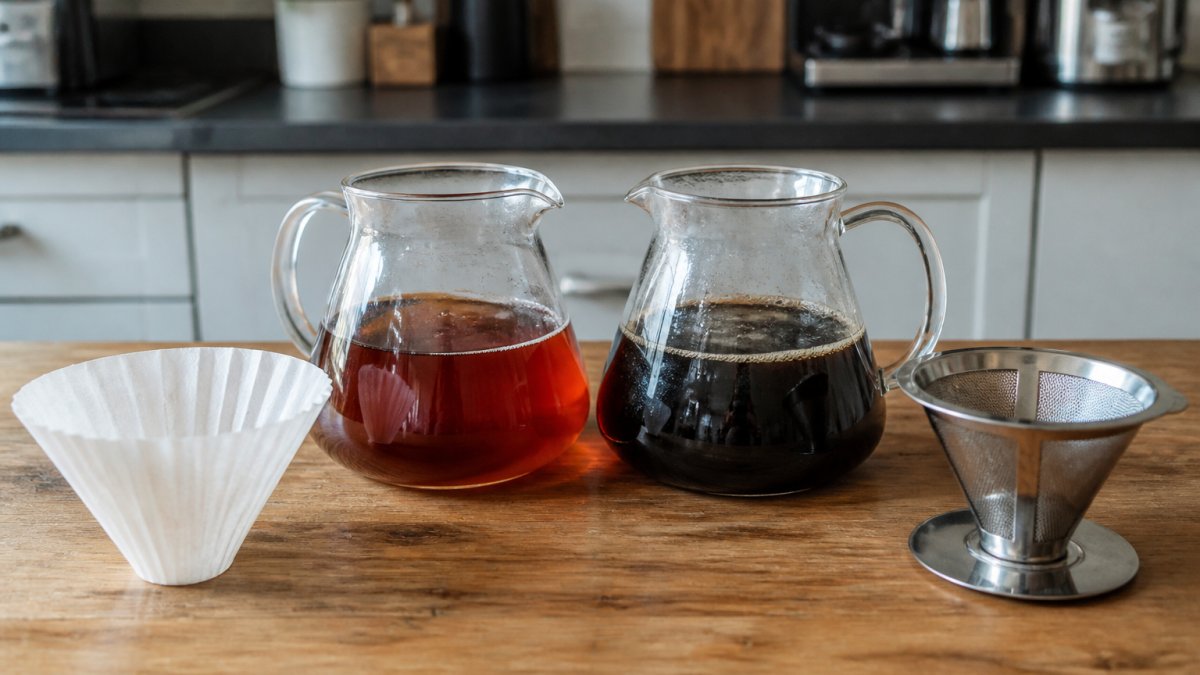
Metal wins on durability and waste reduction. A stainless-steel mesh filter can last for years with basic care, and it never runs out mid-brew.
Which should you pick? If you drink light roasts and value clarity, stay with paper or a fine cloth filter. If you want brew strength and body from darker beans, metal is the better match.
Cloth Coffee Filter Options: Cotton and Hemp
A cloth coffee filter sits between paper and metal. Cotton and hemp cloth trap more sediment than mesh but let more oils through than paper, so you get body without grit.
Cloth is reusable, which cuts waste, and it is gentle on flavor. The catch is maintenance. Cloth holds onto oils and needs thorough rinsing after every brew and a deeper wash regularly.
For pour-over fans, a cloth cone filter is a natural fit. It behaves like paper in the dripper but delivers a rounder cup. Budget extra drying time: cloth must dry fully between uses to stay fresh.
Every Coffee Filter Substitute Worth Trying
Here is the full field of coffee filter substitute options, from permanent upgrades to emergency fixes, with the brew adjustments that make each one actually taste good.
Stainless-steel mesh filter
Reusable, durable, and lets oils through for a full-bodied cup. Because mesh drains faster than paper, tighten the grind by about one notch and keep the dose the same; if the cup tastes weak, slow the pour rather than adding coffee. Rinse immediately after each brew so oils do not set in the mesh. Best long-term pick for body lovers.
Cloth filter (cotton or hemp)
Reusable, balances clarity and body, and suits pour-over. Cloth behaves like paper in the dripper but delivers a rounder cup. Keep your normal grind and dose, and expect a slightly slower drain than paper, if it stalls, loosen the grind one notch. Requires regular washing and full drying between uses.
Paper towel
An emergency fix only. It clogs easily, tears, and can leave fibers in the cup. If you must use one, use an unbleached, unprinted sheet, rinse it first, and brew a small batch with a coarser grind so it does not stall. Use in a pinch, not daily.
Reusable tea bag or fine mesh infuser
Works for a single emergency cup when folded into a cone filter shape. Small capacity, so brew in small batches and use a medium grind, too fine and the bag clogs. Rinse and dry fully after use.
Mesh Tea Infuser Strainers Filters Tea Ball Interval Diffuser Stainless Steel →
Fine kitchen strainer
Coarse mesh lets too much sediment through. Acceptable for a quick drip coffee rescue, not for a clean cup. Line it with a paper towel or cloth if you need a cleaner result, and expect a thinner body than a proper filter.
For tea drinkers and anyone improvising a strainer, our mesh tea infuser strainers and stainless steel tea strainer with sugar tong are built from stainless steel for repeated use. They are made for loose-leaf tea, but the same fine mesh principle applies when you need to strain a small batch of ground coffee in a hurry.


Side-by-side tasting: what to expect
The flavor claims above are easiest to judge with a controlled comparison. Brew the same coffee, same dose, same water temperature, and same grind through each filter in turn, and taste them side by side. A common pattern: paper gives the clearest, brightest cup; cloth lands in the middle with more body but less grit than mesh; mesh gives the heaviest, oiliest cup with visible sediment. Paper towel and improvised strainers tend to taste muddy or thin because they either clog or let too much through. Change one variable at a time so you know which filter caused the difference.
| Option | Flavor Result | Reusable | Cleanup Effort | Best For |
|---|---|---|---|---|
| Paper | Clean, bright | No | Minimal | Clarity fans |
| Stainless-steel mesh | Full-bodied, oily | Yes | Rinse each use | Daily body |
| Cloth (cotton/hemp) | Balanced, rounded | Yes | Wash and dry | Pour-over |
| Paper towel | Muddy, risky | No | Minimal | Emergencies |
| Reusable tea bag | Thin, small batch | Yes | Rinse | One-off cups |
Filter Fit, Brewer Compatibility, and Long-Term Cost
Fit is the quiet reason a filter swap fails. A filter that does not seat against the brewer walls lets water bypass the grounds, so you get a weak, uneven cup no matter how good the material is. A filter that seats too tightly stalls the drain, over-extracts, and turns bitter. Before you buy any reusable option, match three things: the basket shape, the filter's outer diameter, and the mesh or pore size relative to your grind.
Match the filter to the brewer shape
- Cone pour-over drippers (V60-style, 02 size): Use a cone-shaped cloth or mesh filter sized to the dripper's 02 cone. A flat disc will not seal the cone walls and water will run down the sides.
- Flat-bottom drippers (Kalita-style, 185 size): Use a flat-bottom filter with a flat base and straight sides. A cone filter collapses into the corners and channels.
- Basket-style drip machines: Use a basket filter that sits flush on the basket floor. A filter that rides up the sides lets grounds escape around the rim.
- French press: No paper needed, the metal mesh plunger is the filter. If you add a paper or cloth wrap over the mesh, expect a cleaner but thinner cup.
- Aeropress: A metal mesh disc replaces the paper disc; confirm the disc diameter matches your model's cap, since sizes differ between models.
- Moka pot: The built-in metal filter is part of the design; cloth or paper additions are not recommended because they disrupt the pressure seal.
A quick fit test: load the filter dry, add your normal dose of grounds, and pour a full brew. If water pools on top and drains slowly, the filter is too fine for your grind. If the bed drains in a rush and the cup tastes thin, water is bypassing. Adjust grind one notch before you blame the filter.
Mesh and pore size versus grind
Mesh filters are rated by pore size, and the rating has to match your grind. A fine mesh (roughly 100-200 microns) holds back most sediment and suits a medium-fine grind. A coarser mesh lets more fines through, which adds body but also grit. Cloth sits between the two: tight-weave cotton or hemp catches more than coarse mesh but passes more oil than paper. If you switch from paper to mesh, tighten the grind slightly, mesh drains faster, so a paper grind can under-extract.
Long-term cost, in plain terms
Reusable filters win on cost per brew, but the payback period depends on how often you brew. A stainless-steel mesh filter or a cloth filter is a one-time purchase that replaces box after box of paper. The trade is upfront cost against ongoing cleanup and maintenance time. For heavy daily brewers, two or more cups a day, reusables pay off fastest. For occasional brewers, paper stays cheaper and simpler because a reusable filter that sits unused still needs cleaning before each use.
Cleaning, Maintenance, and Safety for Reusable Filters
Reusable filters only stay good if you clean them. Rinse metal and cloth under hot water immediately after brewing, before oils set. Give cloth a deeper wash with mild soap weekly, and let it dry completely.
Safety and material suitability deserve a mention. A paper towel works once in an emergency, but it is not a permanent filter and can shed fibers. Stainless steel and food-grade cloth are the durable, safe choices for regular use.
Store dry filters in a clean, ventilated spot. A damp filter left in a closed cabinet grows odor fast.
Conclusion
Choosing among the alternatives to paper coffee filters for better flavor comes down to the cup you want and the effort you will put in. Metal and cloth deliver more body and less waste; paper delivers clarity and zero fuss. Pick the trade-off that fits your routine, then keep your gear clean so every brew tastes fresh.
At LGBrewTeaQ, we pair that brewing know-how with coffee roasted to order and delivered to your door, so the beans are as fresh as the filter is clean. Our carefully sourced beans, roasted-to-order process, and simple ordering make it easy to keep better mornings coming. Ready to upgrade your ritual?
Frequently Asked Questions
What can I use instead of a paper coffee filter?
The most reliable coffee filter alternatives are stainless-steel mesh filters, cloth filters made from cotton or hemp, and reusable tea bags for small batches. In a pinch, an unbleached paper towel folded into a cone works for one brew. Each option changes how much sediment and coffee oil reaches your cup, so expect a fuller body and slightly different taste from the paper version you are used to.
Do paper coffee filters remove coffee oils?
Yes. Standard paper filters trap most of the coffee oils and fine sediment before they reach the cup, which is why paper-brewed coffee tastes cleaner and lighter. Metal and cloth filters let more of those oils through, giving you a heavier mouthfeel and more aroma. If you want the clarity of paper with less waste, an unbleached paper filter is the closest match.
Is cloth or metal better for filtering coffee?
Metal lasts longer and is easier to rinse, but cloth catches more fine sediment and delivers a cleaner cup closer to paper. Cloth needs thorough washing after every use to prevent stale oils and mildew. Metal mesh is more forgiving but lets more grit through. For flavor-focused brewing, many home brewers keep both and switch based on the bean.
How do I clean and maintain a reusable coffee filter?
Rinse a metal mesh filter under hot water immediately after brewing and scrub the mesh with a soft brush weekly to clear clogged pores. Cloth filters need a hot-water rinse, then a wash with unscented soap or a boil in water every few weeks. Store both dry and fully open. Replace cloth filters when they stain permanently or start smelling stale, usually every few months with regular use.