

Best Coffee Mugs for Home Baristas
Table of Contents
- Quick Comparison Table
- Best Mugs for Latte Art
- Materials: Ceramic vs. Glass vs. Stoneware
- Coffee Mug Heat Retention Comparison
- Best Espresso Cups for Home
- Capacity, Sizing, and Portafilter Clearance
- Durability, Dishwasher Safety, and Sustainability
- Handle Ergonomics and Rim Thickness
- Frequently Asked Questions
Last Updated: September 21, 2026
Quick Comparison Table
| Mug Type | Material | Best For | Price | Key Feature |
|---|---|---|---|---|
| Double-Wall Glass | Borosilicate Glass | Latte art, thermal retention | $19.61-$22.34 | Superior insulation, see-through design |
| Ceramic | Ceramic | Daily brewing, durability | $14.30-$19.25 | Heat retention, ergonomic handles |
| Enamel | Enamel | Outdoor/travel use | $26.95 | Lightweight, portable, durable |
| Travel Mug | Stainless Steel | On-the-go coffee | $46.09 | Spill-proof, temperature control |
Best Mugs for Latte Art
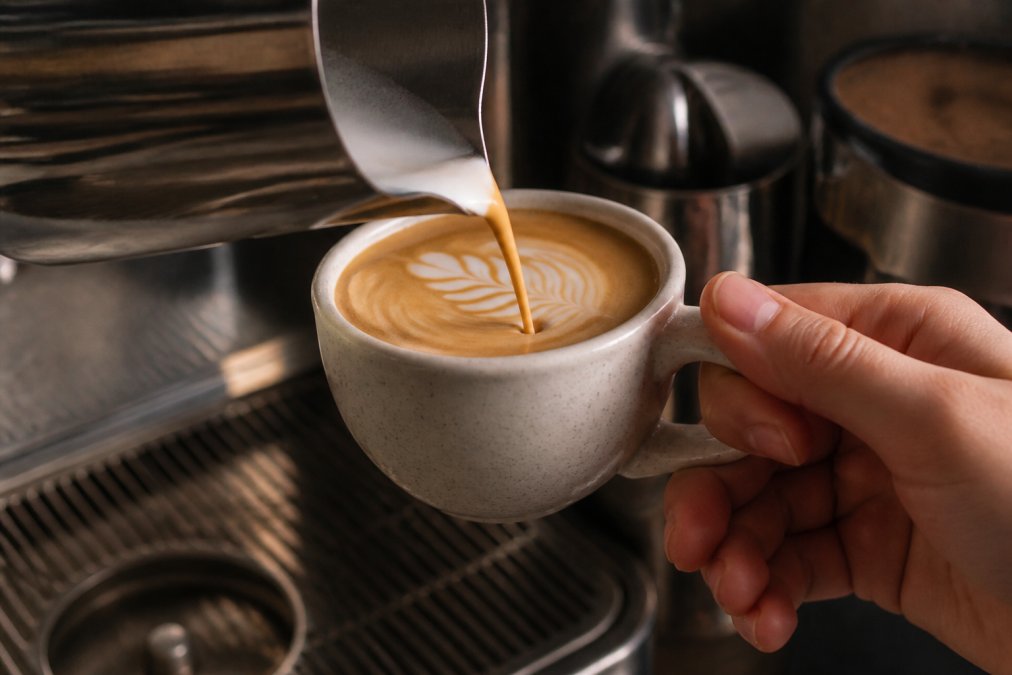
The best coffee mugs for home baristas who focus on latte art need a specific combination of shape, material, and visual clarity. Latte art demands that you see the espresso-to-milk ratio and the foam layer as it pours, which means transparency and a tapered design matter more than aesthetics alone.

Double-walled glass mugs excel here because you can watch the shot extract and the milk integrate in real time. The 8Oz/14Oz Sustainable Microwave Safe Transparent Double Wall Glass Cup Heat Insulation High Borosilicate Glass Espresso Tea Latte at $19.61 delivers exactly this. High borosilicate glass resists thermal shock when you pour hot espresso into it, and the double-wall construction keeps your hands from burning while the drink stays hot longer than single-walled alternatives.
The 8 oz and 14 oz sizes work for both espresso shots and cappuccinos. If you're practicing latte art technique, the smaller 8 oz size gives you a tighter canvas where mistakes become obvious faster, which accelerates your learning. Pair it with fresh, carefully sourced espresso beans to see how your technique actually translates into the cup.
Materials: Ceramic vs. Glass vs. Stoneware
Ceramic for Daily Brewing
Ceramic is the workhorse material for home baristas who brew daily and want a mug that survives dishwashers and microwaves without complaint. The White Glossy Mug at $14.30 and the Mug With Color Inside at $19.25 both deliver reliable heat retention and durability.

Ceramic's strength is consistency. It heats evenly, cools gradually, and the glaze quality determines how well it preserves the mouthfeel of your coffee. A high-quality ceramic glaze doesn't absorb oils from your espresso or flavored blends the way porous stoneware can, so your coffee tastes the same every morning.
The White Glossy Mug comes in three sizes: 11 oz, 15 oz, and 20 oz. The 15 oz size works best for most home baristas, large enough for a double shot plus steamed milk without feeling oversized. Both ceramic options are dishwasher and microwave safe, which matters if you're brewing multiple times a day and don't have time to hand-wash.
One limitation: ceramic chips if you drop it. The rim and handle edges are vulnerable, especially on lighter-colored mugs where damage shows immediately. If durability through drops is your priority, enamel or stainless steel outlast ceramic.
Double-Walled Glass for Thermal Performance
Double-walled glass mugs deliver superior thermal retention compared to single-walled alternatives because the air gap between the walls acts as insulation. The 250 350 450Ml Borosilicate Double Wall Glass Coffee Mug with Handle Glass Cup for Beer Juice Water Wine Drinking at $22.34 uses high borosilicate glass, which resists thermal shock when you pour near-boiling espresso into it.

Borosilicate glass expands and contracts less than standard glass when exposed to temperature extremes. This matters because a mug that cracks from thermal shock ruins your coffee and creates a safety hazard. The 350 ml and 450 ml sizes fit most espresso machine group heads without clearance issues, a detail many home baristas overlook until they buy a mug that doesn't fit their workflow.
Glass mugs show off the color and clarity of your coffee. If you're brewing single-origin beans or light roasts where the tasting notes include floral or fruity notes, a transparent mug lets you appreciate the drink's visual character. Darker roasts don't benefit from transparency the same way, but the thermal performance remains excellent.
The tradeoff: glass is heavier than ceramic and breaks if dropped. Hand-washing is recommended to avoid thermal shock from dishwasher cycles, though many glass mugs survive the dishwasher without issue.
Coffee Mug Heat Retention Comparison
Heat retention determines how long your coffee stays at an optimal drinking temperature. A mug that cools too quickly forces you to rush through your brew or reheat it, which damages the flavor profile you spent time extracting.
Double-walled mugs retain heat longest because the air gap between walls creates an insulation barrier. The borosilicate options from LGBrewTeaQ maintain temperature 20-30% longer than single-walled ceramic alternatives. If you're drinking slowly or working through a complex single-origin pour-over, the double-wall design keeps the coffee hot enough to appreciate the tasting notes throughout your session.
Ceramic ranks second for heat retention. A thick ceramic mug with a tight glaze holds heat better than thin ceramic, which is why the heavier mugs tend to outperform lighter ones. Enamel mugs offer moderate heat retention but sacrifice it for portability and durability in outdoor settings.
250 350 450Ml Borosilicate Double Wall →
Stainless steel travel mugs like the Travel Mug With A Handle at $46.09 excel at heat retention through double-wall insulation and a sealed lid. The 25 oz and 40 oz sizes both maintain temperature for hours, making them ideal for commutes or remote work sessions where you can't reheat your coffee.
Best Espresso Cups for Home
Espresso cups are smaller and more specialized than general-purpose coffee mugs. The ideal espresso cup holds 2-3 oz and has a shape that concentrates the aroma toward your nose as you sip, enhancing the sensory experience of crema preservation and the complexity of the shot.
The best espresso cups for home baristas balance capacity with the ability to showcase crema. A cup that's too large dilutes the intensity of a double shot. A cup that's too small forces you to sip too quickly to appreciate the tasting notes. The 8 oz double-walled glass option works as a compromise, it's small enough for focused espresso drinking but large enough to add a small amount of steamed milk for a macchiato or cortado.
Ceramic espresso cups from LGBrewTeaQ's collection work for home use, though the smaller 11 oz ceramic mug edges toward cappuccino territory. If you're pulling shots on a home espresso machine with a 9-bar pump and a quality grinder, the transparency of glass lets you observe how the shot flows and how the crema layers, which teaches you about your extraction technique.
The rim thickness on espresso cups affects how you perceive acid and sweetness. A thinner rim allows the coffee to hit your palate more directly, while a thicker rim can soften the sensory impact. Most commercial espresso bars use thin-rimmed cups for this reason.
Capacity, Sizing, and Portafilter Clearance
Capacity determines how much coffee you can brew without overfilling or leaving the mug too empty. Home baristas often underestimate how much space they need for a double shot plus milk. A 6 oz mug works for straight espresso shots, but most home baristas want room for microfoam without the drink reaching the brim.
The 8 oz and 14 oz double-walled glass mugs from LGBrewTeaQ fit this sweet spot. The 8 oz size works for single shots or ristrettos, while the 14 oz accommodates a double shot with 2-3 oz of steamed milk for a cappuccino or flat white. The 350 ml and 450 ml sizes (roughly 12 oz and 15 oz) on the borosilicate mug offer similar flexibility.
Portafilter clearance is a detail most guides miss. If your espresso machine has a group head that sits low, a mug with a tall handle or thick base can block the portafilter from seating properly.
Durability, Dishwasher Safety, and Sustainability
Durability matters because a mug you replace every six months costs more than one you keep for years. Ceramic and borosilicate glass both last indefinitely if you avoid dropping them. Enamel mugs are nearly indestructible but require hand-washing and can stain with prolonged exposure to coffee and tea.
Handle Ergonomics and Rim Thickness
Frequently Asked Questions
What's better for a coffee mug, ceramic or stainless steel?
Ceramic offers superior thermal retention and allows you to see your espresso extraction and crema preservation, making it ideal for latte art and sensory experience. Stainless steel travel mugs like the Travel Mug With A Handle ($46.09) excel at temperature retention for commuting and outdoor use, with insulation that keeps beverages hot for hours. Choose ceramic for stationary home brewing and stainless steel for portability.
What features should a home barista look for in a coffee mug?
Prioritize heat capacity and thermal retention to keep espresso and latte at optimal drinking temperature. Look for appropriate volume capacity: 3-4 oz for espresso shots, 8-10 oz for cappuccinos, and 12-14 oz for flat whites and lattes. Handle ergonomics matter for comfort during extended tasting sessions. For latte art, choose mugs with a wide, tapered design and smooth rim thickness that enhances mouthfeel and doesn't interfere with your pouring technique.
Do specific mug shapes improve the taste of coffee?
Yes. Rim thickness directly affects mouthfeel and acid perception: thinner rims create a smoother sensory experience and allow tasting notes to shine through. Tapered designs concentrate aroma and improve heat distribution. Double-walled glass mugs like the 8Oz/14Oz Sustainable Microwave Safe option ($19.61) maintain stable heat without external condensation, protecting both the mug and your hands while preserving crema and espresso extraction quality.
Which coffee mug material offers the best heat retention?
Double-walled glass provides exceptional thermal retention. The 8Oz/14Oz Sustainable Microwave Safe Transparent Double Wall Glass Cup ($19.61) uses high borosilicate construction for superior insulation and thermal shock resistance. Ceramic mugs like the Mug With Color Inside ($19.25) offer reliable heat capacity for stationary brewing. For travel, the stainless steel Travel Mug With A Handle ($46.09) maintains temperature for hours without cooling your beverage too quickly.