

Can I Use Regular Coffee Maker for Espresso Grounds?
Table of Contents
- What Happens When You Use Espresso Grounds in a Regular Coffee Maker
- Espresso vs Drip Coffee Grind Size: Why It Matters for Your Brew
- Can You Use Espresso Beans in a Standard Drip Coffee Maker?
- Best Coffee Beans for Home Espresso Machines (and Drip Makers)
- Drip Coffee Maker Water-to-Coffee Ratio: Getting the Strength Right
- Common Mistakes When Using the Wrong Grind (and How to Fix Them)
- Conclusion
- Frequently Asked Questions
Last Updated: September 17, 2026
What Happens When You Use Espresso Grounds in a Regular Coffee Maker
Can I use regular coffee maker equipment with espresso grounds? You can, but the result will not be the espresso you were hoping for. Espresso grounds are milled for a pressurized espresso machine, not a drip coffee maker, so water passes through them too slowly and produces a bitter, over-extracted cup. This guide explains what goes wrong, how to salvage the coffee you already bought, and how to pick beans that work with your machine.
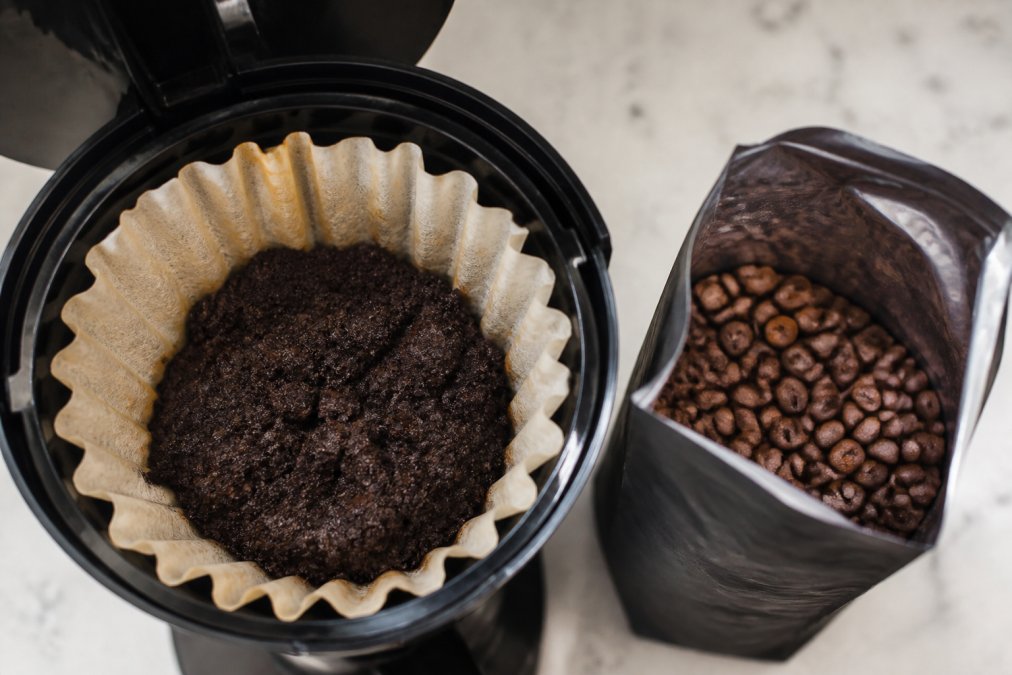
The Grind Size Mismatch: Fine vs. Medium
Espresso grind is fine, almost like powdered sugar, because it needs to create resistance for pressure to build. Drip grind is medium, closer to table salt, so water moves through the bed at a steady rate. Pour espresso grind into a drip filter basket and you have created a plug.
How Extraction and Flow Rate Change
Extraction is the process of dissolving flavor compounds out of coffee grounds with hot water. When the grind is too fine, water sits against the coffee too long, pulling out harsh, bitter compounds along with the good ones. The result is over-extraction: a muddy, astringent cup.
Espresso vs Drip Coffee Grind Size: Why It Matters for Your Brew
Espresso vs drip coffee grind size comes down to one variable: how fast water moves through the coffee bed. Espresso grind is fine because pressure forces water through it quickly. Drip grind is medium because gravity does the work, keeping the flow rate steady. Get the size wrong and the same coffee that tastes great as a shot turns muddy or hollow in a drip basket.
Here is how the two brewing methods compare:
| Factor | Espresso | Drip Coffee Maker |
|---|---|---|
| Grind size | Fine, like powdered sugar | Medium, like table salt |
| Water temperature | 195-205°F | 195-205°F |
| Brew time | 25-30 seconds | 4-6 minutes |
| Pressure | High, machine-driven | Gravity only |
| Filter type | Metal or paper puck | Paper or mesh filter basket |
| Flavor profile | Concentrated, syrupy | Balanced, clean |
A Visual Guide to Telling Grinds Apart by Sight and Touch
Most people cannot eyeball the difference between espresso and drip grind until they have seen both side by side. Use these reference points:
- Espresso grind: Looks like powdered sugar or fine flour. Pinch a little between your fingers and it clumps and smears rather than falling apart. Tap it on a white plate and it holds a soft mound instead of scattering.
- Drip grind: Looks like coarse sand or table salt. It pours freely from a scoop, feels slightly gritty between your fingers, and scatters when tapped onto a plate.
- Coarse grind (French press, cold brew): Looks like raw sugar or peppercorns. Individual particles are visible and it feels crunchy when rubbed.
Why the Same Bean Behaves Differently at Each Size
Grind size controls how much coffee surface area the water can reach. A finer grind exposes more surface area, so flavor compounds dissolve faster, exactly what espresso needs, since the shot runs only 25 to 30 seconds. A drip cycle runs 4 to 6 minutes, so the same fine particles keep giving up compounds long after the pleasant ones are gone, and bitter, drying notes take over.
Can You Use Espresso Beans in a Standard Drip Coffee Maker?
Yes, you can use espresso beans in a standard drip coffee maker, provided you grind them to a medium setting first. Espresso beans are simply coffee beans roasted for espresso, and the roast level works fine in a drip machine. The problem is never the bean. It is always the grind.
- Brew it anyway and accept the result. Use slightly less coffee than usual, about 1.5 tablespoons per 6 oz of water, and expect a heavier, more bitter cup.
- Use a mesh filter instead of paper. A mesh filter basket lets some sediment through, but it also reduces clogging compared to a fine paper filter.
- Repurpose it for cold brew. Coarse grind is ideal, but fine espresso grind works in a pinch if you strain it twice through a paper filter after steeping.
Whole Beans vs. Pre-Ground: What to Buy
Whole beans stay fresh far longer than pre-ground coffee because the oils and aromatics are locked inside until you grind them. Pre-ground espresso starts losing flavor within days of opening. If you own a burr grinder, buy whole beans and grind to order for whichever brewing method you are using.
Breakfast Blend - Smooth Medium Roast →
Best Coffee Beans for Home Espresso Machines (and Drip Makers)
The best coffee beans for home espresso machines also tend to perform well in a drip coffee maker, because a balanced medium roast is forgiving across brew methods, a bean that tastes good whether pulled as a shot or brewed as a full pot.
Drip Coffee Maker Water-to-Coffee Ratio: Getting the Strength Right
The drip coffee maker water-to-coffee ratio is 1:16 by weight for a balanced cup, about 2 level tablespoons of ground coffee per 6 oz of water. That ratio holds for a light medium roast or a darker espresso roast, though darker roasts benefit from a slightly larger dose.
Common Mistakes When Using the Wrong Grind (and How to Fix Them)
The most common mistake is assuming a finer grind always means stronger coffee. It does not. Finer grind means more surface area, which speeds up extraction, but past a certain point water cannot flow at all and you end up with a clogged basket and a bitter, uneven cup.
| Problem | Likely Cause | Fix |
|---|---|---|
| Bitter, harsh taste | Over-extraction from fine grind | Switch to medium grind |
| Weak, watery cup | Under-extraction from coarse grind | Grind finer, one notch at a time |
| Slow drip or overflow | Clogged filter basket | Use medium grind, check mesh filter |
| Muddy sediment in cup | Fine particles passing through | Switch to paper filter |
| Sour, thin flavor | Water too cool or brew too fast | Check water temperature, adjust grind |
If You Already Clogged Your Machine: A Recovery Walkthrough
If you have already run a basket of espresso grounds through your drip maker, here is how to get it working again without a service call.
Machine-Specific Notes
- Standard basket drip makers: Most prone to overflow because the basket has limited headroom. Fine grounds swell as they absorb water, so a basket that looks half full when dry can crest the rim mid-brew.
- Pod and single-serve machines: Do not add loose espresso grounds to a reusable pod unless the pod is designed for them. The fine particles escape the pod walls and clog the needle assembly, which is a much harder fix than a basket rinse.
- Thermal carafe models: The brew pause valve can trap fine sediment. If flow is slow only when you pull the carafe mid-brew, clean the valve seat with a damp cloth.
- Percolators and French presses: These tolerate a slightly finer grind than a drip basket, but espresso grind still passes through the mesh and leaves sludge in the cup. A paper filter over the mesh helps.
Conclusion
Getting the grind right is the difference between a cup you look forward to and one you pour down the sink. Espresso grounds in a drip basket will always fight you; whole beans ground fresh to a medium setting will not.
Frequently Asked Questions
Can I use regular coffee maker with espresso grounds already in the basket?
You can, but the results are usually disappointing. Espresso grounds are much finer than what a drip coffee maker is designed for. The water passes through too slowly, which leads to over-extraction and a bitter, harsh cup. In some machines, the fine particles clog the filter basket and cause water to overflow. If you only have espresso grounds on hand, use a coarser setting if possible, or switch to a pour-over method that gives you more control over the flow rate.
Does grind size matter when using a regular coffee maker?
Grind size is one of the biggest factors in how your coffee tastes. A medium grind works best for most drip coffee makers because it allows water to flow through at the right speed. Too fine, and you get over-extraction, bitterness, and clogging. Too coarse, and the water rushes past the grounds, leaving you with weak, under-extracted coffee. Matching your grind to your brewing method is the single easiest upgrade you can make.
What is the best coffee bean for a home espresso machine and a drip maker?
Medium roast blends work well in both. A blend like LGBrewTeaQ's Breakfast Blend ($23.99) is roasted to a precise medium profile with creamy milk chocolate, toasted graham cracker, and honeyed almond notes. It is forgiving across brew methods, which means you can grind it fine for espresso or medium for your drip machine without losing flavor. The key is buying whole beans and grinding them fresh for each method.
How do I adjust my brewing technique for different coffee types?
Start with the grind. For drip, aim for a medium grind that looks like table salt. For espresso, go fine like powdered sugar. Then adjust your water-to-coffee ratio: a good starting point for drip is 1:16 (about 2 tablespoons per 6 ounces of water). If the coffee tastes bitter, coarsen the grind slightly. If it tastes weak or sour, go finer. Small changes make a big difference, so adjust one variable at a time.