

How to Start a Home Coffee Ritual
Table of Contents
- What Makes a Coffee Ritual Different From Your Morning Routine
- Essential Coffee Brewing Tools for Beginners
- Setting Up Your Dedicated Coffee Station
- Selecting Coffee Beans and Understanding Flavor Profiles
- Mindful Coffee Brewing Techniques to Elevate Your Ritual
- Why Does My Coffee Taste Bitter and How to Fix It
- Step-by-Step Morning Preparation Guide
- Making Your Home Coffee Ritual Stick
- Frequently Asked Questions
Last Updated: September 25, 2026
What Makes a Coffee Ritual Different From Your Morning Routine
A home coffee ritual is fundamentally different from just brewing a quick cup before work. The difference comes down to intention. A routine is something you do on autopilot. A ritual is something you do with purpose and presence.
When you treat coffee brewing as a ritual, you're creating space for mindfulness in your day. You're paying attention to the sensory experience: the aroma of freshly roasted beans, the sound of water heating, the weight of the mug in your hand. This shift from routine to ritual transforms a daily task into a moment that matters.
Most people rush through their morning coffee. They're thinking about emails, meetings, or what's next. A ritual asks you to slow down. You focus on the process itself. You notice details. This intentionality is what separates a ritual from a routine.
Essential Coffee Brewing Tools for Beginners
You don't need expensive equipment to start a meaningful home coffee ritual. But you do need the right basics. The three essentials are a grinder, a brewing method, and a way to heat water.
Choosing Your First Brewing Method
Your brewing method shapes your entire ritual. Different methods create different experiences. Some are fast. Others are slow and meditative. Pick one that matches how you want to spend your morning.
Pour-over brewing is popular for rituals because it's hands-on. You control the water temperature, pour speed, and timing. The process takes 3-4 minutes and demands your attention. Immersion brewing, like French press or cold brew, requires less active involvement but more steeping time. Automatic drip makers are fastest but offer less sensory engagement.
For beginners, pour-over or a simple automatic drip maker work best. They're forgiving, affordable, and deliver consistent results. As you develop your ritual, you might explore espresso machines or specialty equipment.
Grinding Equipment and Water Quality
A burr grinder changes everything. Pre-ground coffee loses flavor quickly. Grinding fresh beans right before brewing preserves the aroma and taste. The USB Rechargeable Ceramic Electric Coffee Grinder from LGBrewTeaQ offers ceramic burrs that grind consistently without overheating the beans. It's compact, affordable at $24.36, and perfect for starting your ritual.

Grind size matters more than most people realize. Coarse grinds suit immersion brewing. Medium grinds work for pour-over and drip makers. Fine grinds are for espresso. Matching your grind size to your brewing method prevents bitter or weak coffee.
Water quality often gets overlooked. Filtered water brews better coffee than tap water. Hard water and chlorine affect taste. Use filtered or bottled water if your tap water tastes off. The water temperature should be between 195-205°F. Too hot and you extract bitterness. Too cool and your coffee tastes weak.
Setting Up Your Dedicated Coffee Station
A dedicated coffee station transforms your ritual from scattered to intentional. You need a clean, organized space where everything you need is within arm's reach.
Choose a countertop or shelf with good natural light. Morning light matters, it makes the ritual feel special. Keep your grinder, brewing equipment, and freshly roasted beans in one spot. Add your favorite mug. The White Glossy Mug from LGBrewTeaQ is designed for this purpose. At $14.30 for the 11 oz size, it's durable, microwave-safe, and has a weighted feel that makes your ritual feel intentional.

Keep a small notebook nearby. Many people jot down tasting notes or how they felt during their ritual. This small habit deepens your engagement with the experience.
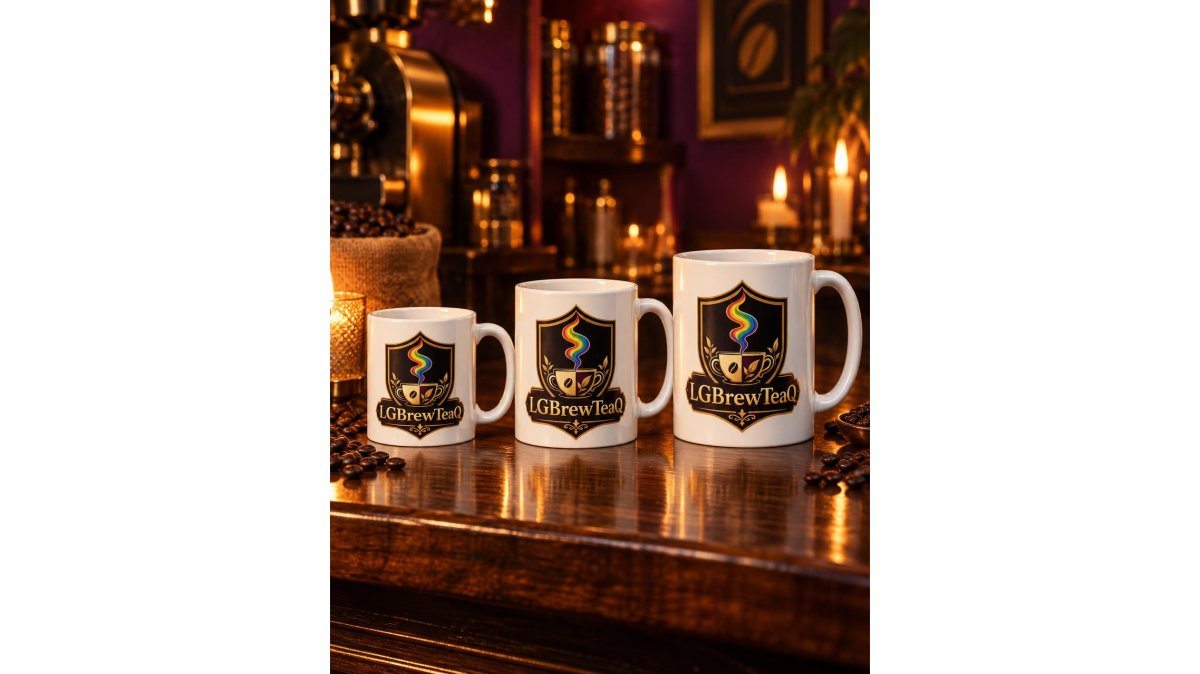
Your station doesn't need to be fancy. It needs to be yours. Make it clean, organized, and welcoming. This is the physical foundation of your ritual.
Selecting Coffee Beans and Understanding Flavor Profiles
Freshly roasted beans are non-negotiable for a real ritual. Stale coffee ruins everything. Look for beans roasted within the last two weeks (Storage and shelf life - NCA). This is where LGBrewTeaQ excels, beans are roasted to order and shipped fresh. The Breakfast Blend at $23.99 is a smooth medium roast with tasting notes of creamy milk chocolate, toasted graham cracker, and honeyed almond. It's specifically engineered to be forgiving across any brew method.

Single-origin beans come from one farm or region. Blends combine beans from multiple sources. Single-origin beans show more distinct flavor notes. Blends tend to be more balanced. For rituals, start with blends. They're more forgiving. As you develop your palate, explore single-origin options.
Roast level affects flavor. Light roasts preserve origin flavors and have more acidity. Medium roasts like the Breakfast Blend balance sweetness and acidity. Dark roasts are bold and smoky. For morning rituals, medium roasts work best, they're approachable without being harsh.
Learn the basic tasting notes. Chocolate, fruit, nuts, and floral are common descriptors. When you taste your coffee, try to identify these notes. This sensory awareness deepens your ritual experience.
Mindful Coffee Brewing Techniques to Elevate Your Ritual
Mindful brewing isn't complicated. It means paying attention. It means slowing down. It means treating the process as the point, not just the coffee.
Cappuccino, Latte Multifunctional →
The Sensory Experience of Brewing
Start by noticing the aroma. Open your bag of freshly roasted beans and breathe deeply. This is the first sensory cue of your ritual. The smell activates memory and emotion. Pay attention to it.
When you grind, listen to the sound. Notice how the grind size changes the sound. Coarse grinds sound different from fine grinds. This auditory experience is part of the ritual.
Watch the water heat. If you use a kettle, listen for the whistle or watch for steam. Feel the warmth from the kettle in your hands. These tactile and visual cues anchor you in the moment.
During brewing, observe the color change. Watch the water absorb into the grounds. Notice the bloom phase, the first few seconds when water meets coffee. Bubbles rise. The smell intensifies. This is the most aromatic moment. Pause and breathe it in.
Finally, pour your coffee into your mug. Feel the weight of the mug. Notice the warmth in your hands. Take the first sip slowly. Let it sit on your tongue for a moment. Taste the flavor notes. This is presence. This is ritual.
Building Consistency Into Your Daily Practice
Consistency transforms a one-time experience into a real ritual. Do it at the same time each morning. Use the same equipment. Use the same beans for at least a week. Repetition creates familiarity, and familiarity creates comfort.
Track your ritual. Write down the date, beans used, brew method, water temperature, and how it tasted. This documentation deepens your engagement. Over time, you'll notice patterns. You'll learn what works for you.
Set a timer for your brewing. This removes guesswork. It also creates a contained window of time. You know exactly how long your ritual takes. This predictability helps it stick.
The consistency doesn't mean rigidity. Adjust seasonally. In summer, cold brew might replace hot pour-over. In winter, a longer, warmer ritual might feel right. The point is intentionality, not perfection.
Why Does My Coffee Taste Bitter and How to Fix It
Bitter coffee is the most common complaint. It usually means over-extraction. This happens when water stays in contact with grounds too long or when water is too hot.
If your drip coffee tastes bitter, your water might be too hot.
Step-by-Step Morning Preparation Guide
Here's how to execute a meaningful home coffee ritual in under 15 minutes.
Troubleshooting Ritual Burnout
Some people start a ritual with enthusiasm and abandon it after a few weeks. This is ritual burnout. It happens when the ritual becomes another obligation instead of a pleasure.
Making Your Home Coffee Ritual Stick
The best ritual is one you actually do. That means it has to fit your life, not the other way around.
Frequently Asked Questions
How long does it take to establish a consistent home coffee ritual?
Most people establish a consistent home coffee ritual within 2-3 weeks of daily practice. The key is repetition at the same time each morning. Start with a simple brewing method and the same coffee beans to build familiarity. Once the basic steps become automatic, you can explore variations. Consistency matters more than complexity, a simple pour-over done mindfully every morning beats an elaborate setup you skip on busy days.
What essential coffee brewing tools do I need to start?
You need three core items: a brewing device (pour-over, French press, or automatic drip maker), a grinder, and a kettle. A scale helps with precision, but isn't essential for beginners. The USB Rechargeable Ceramic Electric Coffee Grinder offers portability and consistency for under $25. For espresso-style drinks, consider the Cappuccino, Latte Multifunctional Semi-Automatic Espresso Machine. Start simple, then add tools as your ritual deepens.
How can I make my coffee ritual more mindful?
Mindful coffee brewing means engaging all your senses during preparation. Listen to the water heating, smell the aroma as you grind beans, watch the bloom phase, feel the warmth of your mug, and taste each sip slowly. Turn off your phone and eliminate distractions. Focus on the sensory cues: the sound of water pouring, the color changes during extraction, the weight of your cup in your hand. This intentionality transforms a quick caffeine fix into a meaningful daily practice that sets a calm tone for your entire morning.
What should I look for when choosing coffee beans for my home ritual?
Choose freshly roasted specialty beans suited to your brewing method. Single-origin beans highlight specific flavor notes and terroir, while blends offer balanced, forgiving flavors across any brew method. The Breakfast Blend offers creamy milk chocolate and toasted graham cracker notes, ideal for beginners since it works well with any brewing technique. Check the roast date on the bag; beans roasted within the past 2-3 weeks deliver peak aroma and flavor. Avoid pre-ground coffee, which loses freshness quickly.