

How to Tell If Coffee Beans Are Fresh
Table of Contents
- Why Freshness Matters More Than You Think
- How to Tell If Coffee Beans Are Fresh: A Step-by-Step Sensory Test
- The Coffee Bloom Test: Your Best Freshness Indicator
- Coffee Roast Date vs Expiration Date: What the Label Actually Tells You
- Shelf Life of Whole Bean Coffee: How Long Is Too Long?
- Signs Your Coffee Beans Have Gone Stale or Rancid
- How to Store Coffee Beans to Lock In Freshness
- Fresh Coffee Beans: What to Look for When You Buy
Last Updated: August 28, 2026
Why Freshness Matters More Than You Think
Knowing how to tell if coffee beans are fresh is the single most underrated skill in home brewing. Most people blame their grinder, water temperature, or technique when a cup falls flat. The real culprit is usually stale coffee sitting in the cabinet.
At LGBrewTeaQ, we roast to order precisely because freshness isn't a marketing claim, it's the chemical reality determining whether your cup tastes vibrant or hollow. Coffee beans are perishable, undergoing constant chemical change from the moment they leave the roaster.
This guide walks you through a practical sensory evaluation you can run at home, explains the chemistry behind staleness, and gives you a framework for buying better coffee. The good news: you don't need a lab. Your nose, eyes, and kettle are enough.
How to Tell If Coffee Beans Are Fresh: A Step-by-Step Sensory Test
Sensory evaluation is the most reliable method for assessing coffee freshness at home. Professional coffee buyers use a structured process called cupping, and you can apply the same logic in your kitchen.
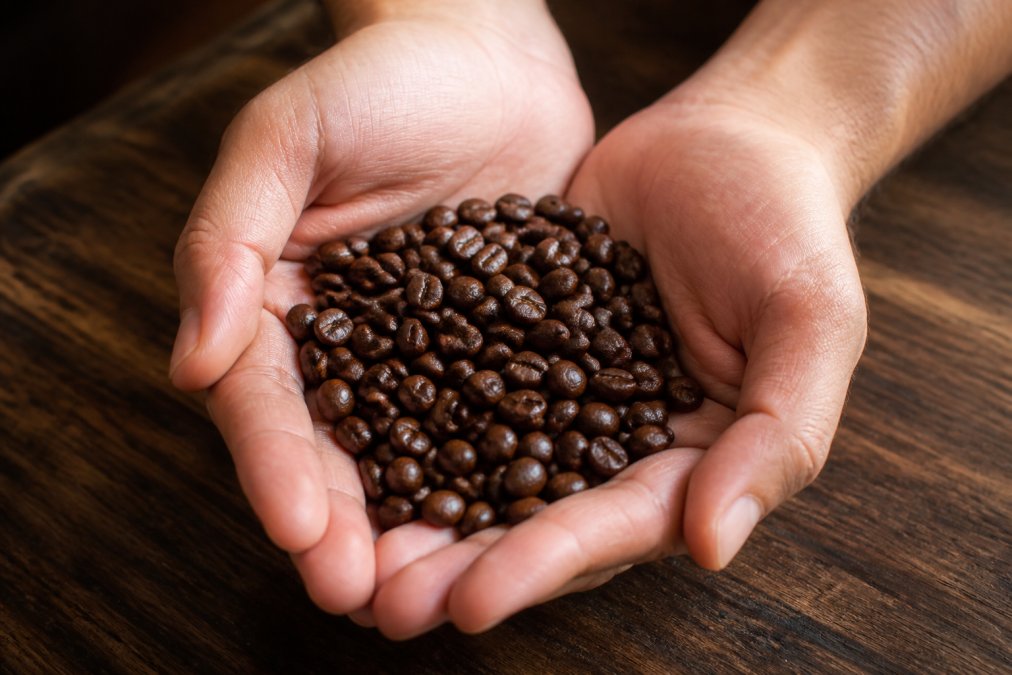
Step 1: Smell the Beans (Aroma Profile Check)
Open the bag and inhale immediately. Fresh beans produce an immediate, assertive aroma, floral, fruity, chocolatey, or nutty depending on origin and roast. Stale beans smell flat, papery, or like cardboard. If you must bury your nose in the bag to detect anything, that's a problem.
The aroma comes from volatile aromatic compounds that dissipate when beans are exposed to oxygen. A rich, complex scent on first opening is one of the clearest freshness signals. A papery or musty smell means those compounds are largely gone.
Step 2: Look for Oil and Glossy Sheen
Examine the bean surface under good light. Dark roasts naturally produce visible surface oil and glossy sheen. Light or medium roast beans that appear excessively oily may indicate over-roasting or oxidation. Dark roast beans that look completely dry and dull have likely had their surface oils oxidize away.
Look for consistent color across the batch, minimal cracking, and no visible mold or white residue.
Step 3: Check Bean Density and Integrity
Fresh, high-quality beans are dense. Specialty-grade beans from high-altitude farms have tighter cell structure. Stale or low-quality beans feel lighter than expected.
A simple check: drop a bean on a hard surface. A fresh, dense bean produces a sharp click. A hollow-sounding thud indicates a less dense bean that may have lost moisture and structural integrity.
The Coffee Bloom Test: Your Best Freshness Indicator
The coffee bloom test is the most objective freshness indicator available to home brewers. Bloom refers to the rapid release of carbon dioxide gas from freshly roasted coffee when it contacts hot water, driven by CO2 trapped during roasting.
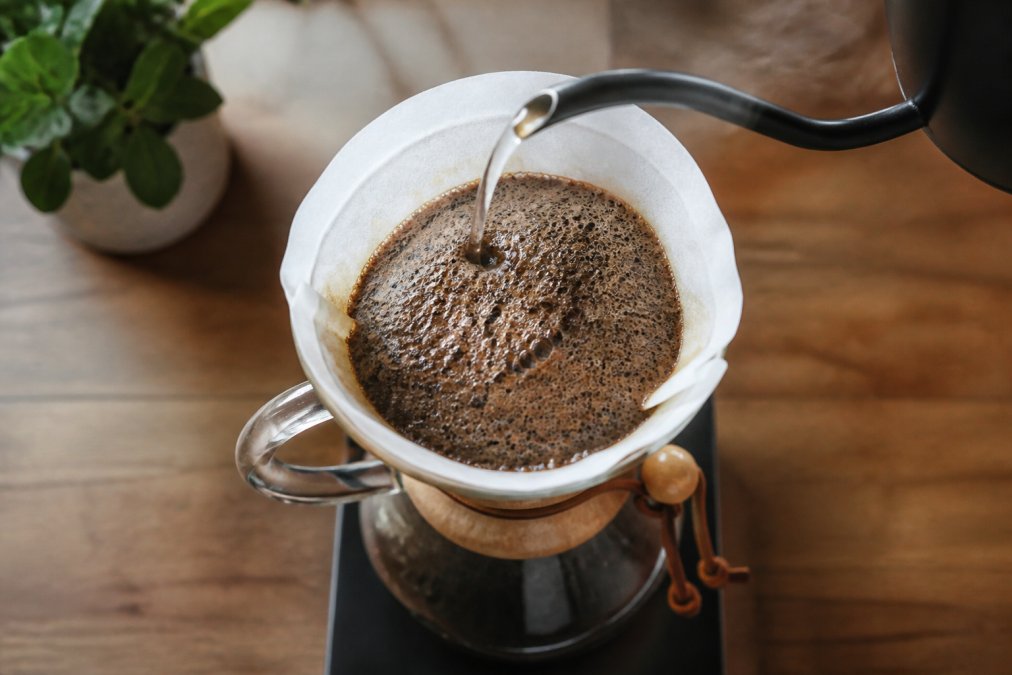
Here's how to run it:
- Grind your beans to your preferred consistency
- Add grounds to your pour-over, French press, or drip filter
- Pour a small amount of hot water, just enough to saturate the grounds
- Wait 30-45 seconds and observe
Fresh beans bloom dramatically, grounds swell, bubble, and dome upward as carbon dioxide escapes. Stale beans produce little to no bloom because CO2 has already off-gassed during storage.
Degassing is the process by which CO2 naturally escapes from roasted beans over time. According to the Specialty Coffee Association's research on degassing, CO2 release is most rapid in the first few days after roasting, then slows over weeks. A strong bloom tells you CO2 is still present, meaning the beans are genuinely fresh.
Coffee Roast Date vs Expiration Date: What the Label Actually Tells You
The roast date and expiration date are not the same thing, and confusing them is a common mistake.
Roast date is when the green beans were roasted. This is the number that matters for freshness. Most specialty roasters consider coffee at peak flavor between 5 and 21 days after the roast date, with a usable window extending to around 4-6 weeks for whole beans stored properly.
Expiration date (or "best by" date) is a safety estimate set by the manufacturer, often 12-24 months after roasting. Coffee brewed from beans 18 months past their roast date is safe to drink, it just won't taste like much.
Always look for the roast date, not the expiration date. If a bag only lists a "best by" date, the roaster isn't prioritizing freshness transparency. Specialty roasters and direct-to-consumer brands that roast to order will print the roast date prominently.
One-way valve bags allow CO2 to escape without letting oxygen in, meaningfully extending shelf life compared to standard sealed packaging.
Shelf Life of Whole Bean Coffee: How Long Is Too Long?
Whole bean coffee retains flavor significantly longer than pre-ground coffee because grinding dramatically increases surface area and accelerates oxygen exposure. Whole beans stored in an airtight container away from light, heat, and moisture are at their best within 2-4 weeks of the roast date and remain acceptable for 6-8 weeks.
Pre-ground coffee degrades much faster, with flavor clarity dropping noticeably within days of grinding.
| Storage Condition | Approximate Peak Freshness | Acceptable Range |
|---|---|---|
| Whole bean, airtight container, room temp | 2-4 weeks post-roast | Up to 6-8 weeks |
| Whole bean, freezer (sealed, single-use portions) | Months | Up to 6 months |
| Pre-ground, airtight container | 3-5 days | Up to 2 weeks |
| Pre-ground, open bag | 1-2 days | 3-5 days |
Light Roast vs Dark Roast: Does Roast Level Change Shelf Life?
Dark roasts have a more porous cell structure from extended roasting, meaning they off-gas CO2 faster and their surface lipids oxidize more quickly. A dark roast excellent at 10 days post-roast can taste noticeably flat at 30 days.
Light roasts are denser and retain CO2 longer, with many specialty roasters suggesting they're still developing flavor complexity up to 3 weeks post-roast.
Signs Your Coffee Beans Have Gone Stale or Rancid
Stale coffee has lost its volatile aromatic compounds, tasting flat, thin, and papery with hollow body and muted acidity. Rancid coffee has undergone lipid oxidation, where fats react with oxygen to produce unpleasant, sometimes sour or musty off-flavors.
Watch for these signs:
- No aroma on opening the bag. Fresh beans are immediately fragrant.
- Flat, papery taste. A hollow body with no brightness or sweetness signals staleness.
- No crema on espresso. Crema depends on CO2 in the bean.
- No bloom during pour-over. Absent bloom equals absent CO2.
- Rancid or sour smell. A chemical off-note, not a flavor note.
The Science of Lipid Oxidation
Coffee beans contain significant lipids, primarily cafestol and kahweol. When exposed to oxygen over time, these lipids undergo lipid oxidation, producing distinctly unpleasant flavors and aromas. This process accelerates with heat, light, and moisture.
According to food chemistry research on coffee lipid oxidation, lipid oxidation in roasted coffee is a primary driver of "rancid" flavor notes in improperly stored or aged beans. This is distinct from simple staleness, oxidized lipids produce active off-flavors rather than just loss of pleasant ones.
Buy less coffee more frequently, store it correctly, and prioritize roast date over price per ounce.
How to Store Coffee Beans to Lock In Freshness
Proper storage is the single most controllable variable in home coffee freshness. The four enemies are oxygen, moisture, light, and heat.
Airtight container: Transfer beans to an airtight container if the bag lacks a resealable one-way valve. Ceramic or opaque containers work well. Avoid clear glass jars on countertops, light exposure accelerates degradation.
Room temperature storage: For beans you'll use within 2-3 weeks, room temperature storage in an airtight container away from heat sources is ideal. Refrigerators aren't recommended for whole beans; temperature cycling creates condensation, and moisture is damaging.
Freezer storage: For beans you won't use within 3-4 weeks, freeze in single-use, vacuum-sealed portions. Portion before freezing so you never refreeze a thawed batch. Allow frozen beans to reach room temperature before grinding to prevent condensation.
According to the National Coffee Association's coffee storage guidance, beans should be stored in an opaque, airtight container at room temperature, away from heat, light, and moisture.
Fresh Coffee Beans: What to Look for When You Buy
Knowing how to assess freshness at home is valuable, but buying from sources where freshness is built into the supply chain is better. Here's what to look for.
Roast date on the bag. This is non-negotiable for specialty coffee. If a bag only lists a "best by" date, the roaster isn't prioritizing freshness transparency.
Roasted-to-order sourcing. Roasters who roast after you order eliminate warehouse and retail shelf time that ages most commercial coffee. LGBrewTeaQ roasts to order to ensure beans arriving at your door are at or near their peak freshness window.
Careful sourcing from trusted farms. Bean quality at the farm level determines the ceiling on what freshness can deliver. Specialty-grade beans have more complex flavor compounds to preserve, making freshness even more valuable.
One-way valve packaging. Bags without valves either off-gas CO2 into a sealed environment or are left slightly open, both compromising freshness faster.
The Specialty Coffee Association's standards for fresh coffee define freshness criteria including roast date transparency and proper packaging as baseline requirements for specialty-grade coffee. Look for roasters meeting these standards rather than optimizing purely on price.
Treat coffee as a perishable product, not a pantry staple. Buy it fresh, store it right, and brew it within the window, the difference in your cup will be immediately obvious.
Frequently Asked Questions
Do coffee beans have an expiration date?
Most coffee bags list a 'best by' date, not a true expiration date. That date is calculated from the roast date, typically 6 to 12 months out for whole bean coffee stored in an airtight container. The roast date is the number that actually matters for freshness. Beans don't become unsafe to drink after that window, but flavor clarity, acidity, and aroma drop off significantly. Always look for a roast date on the bag, if there isn't one, that's a red flag about how fresh the coffee beans actually are.
Can I still use 2-year-old coffee beans?
Technically yes, but the experience won't be enjoyable. After two years, even beans stored in a vacuum seal will have lost most of their carbon dioxide, aroma profile, and flavor complexity. Lipid oxidation will have progressed enough to produce a flat, papery, or even rancid taste. The coffee bloom test will show little to no bubbling. If you're brewing for guests or trying to get the most out of your brewing method, two-year-old beans aren't worth the cup. Fresh coffee beans roasted within the past 2 to 4 weeks deliver a noticeably better result.
How can you tell if coffee beans have gone rancid?
Rancid coffee beans smell sour, musty, or like stale cooking oil rather than roasted coffee. Visually, dark roasts may look dull instead of glossy, while light roasts lose their clean, dry surface. When brewed, rancid coffee tastes hollow, bitter in an unpleasant way, or faintly like cardboard. The coffee bloom test is also telling, rancid beans produce almost no bubbling because their CO2 has long since escaped. Oxygen exposure and lipid oxidation are the main culprits, which is why airtight storage with a one-way valve matters so much.
What is the coffee bloom test and does it really work?
The coffee bloom test is one of the most reliable ways to check freshness at home. Pour a small amount of hot water (just off the boil) over your grounds and watch for 30 seconds. Fresh coffee beans release carbon dioxide rapidly, causing the grounds to puff up and bubble, that dome of activity is the bloom. Stale beans produce little to no bloom because their CO2 has already off-gassed. It works across brewing methods, from pour-over to French press. A strong, active bloom is a clear sign your beans were roasted recently and stored well.
Buying fresh coffee beans shouldn't require detective work. The real challenge is that most retail coffee is packaged and distributed in ways that obscure how old the beans actually are by the time they reach you. LGBrewTeaQ addresses this directly by roasting to order and delivering fast, so the beans arriving at your door are genuinely fresh, not weeks into their shelf life from a warehouse shelf. Shop Coffee at LGBrewTeaQ and taste what roasted-to-order actually means in your cup.
This article was written using GrandRanker