

Benefits of Freshly Roasted Single Origin Coffee
Table of Contents
- What Makes Freshly Roasted Single-Origin Coffee Different
- How to Tell if Coffee Beans Are Fresh
- Single-Origin Coffee vs. Blend: Why Origin Matters
- How Long Coffee Beans Stay Fresh After Roasting
- Flavor, Aroma, and Complexity in Freshly Roasted Coffee
- Health Benefits: Antioxidants, Caffeine, and Bioactive Compounds
- Best Way to Brew Single-Origin Coffee
- Frequently Asked Questions
Last Updated: October 17, 2026
What Makes Freshly Roasted Single-Origin Coffee Different
Freshly roasted single origin coffee represents a fundamental shift in how specialty coffee drinkers approach their daily brew. Unlike mass-produced blends that combine beans from multiple countries and roast dates spanning months, freshly roasted single-origin coffee comes from one specific farm or region and reaches your cup within days or weeks of leaving the roaster.

The difference isn't subtle. A single-origin bean expresses terroir, the unique combination of altitude, soil composition, rainfall, and climate that shapes how the coffee plant develops. When you drink Ethiopian single-origin coffee versus Colombian, you're tasting the distinct environmental signature of each origin. Freshly roasted single-origin coffee preserves these characteristics because the roasting process halts the bean's development at a precise moment, locking in the origin's natural sweetness and complexity before oxidation can diminish them.
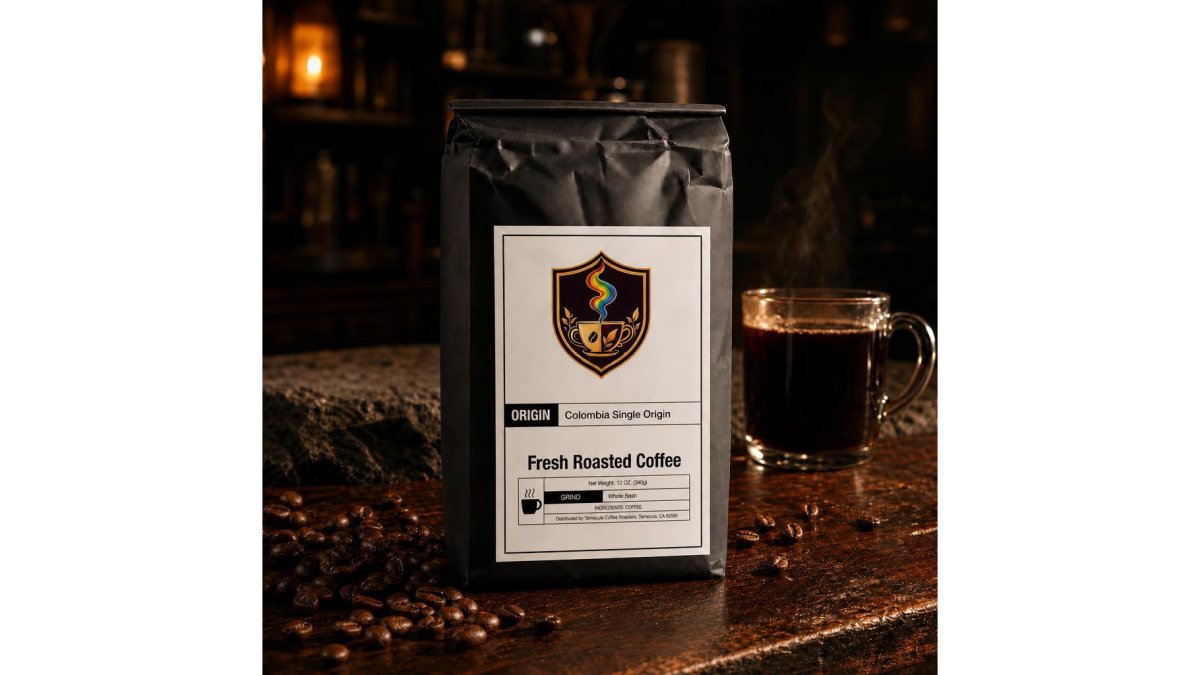
This matters practically because older beans, even specialty ones, lose their aromatic oils and become increasingly one-dimensional. The moment coffee is roasted, it begins to stale. Within two weeks, the coffee oils that carry flavor begin breaking down. By four weeks, most of the volatile aromatics have dissipated. A bag of pre-roasted coffee sitting on a shelf for months tastes flat and bitter by comparison.
How to Tell if Coffee Beans Are Fresh
The most reliable indicator of freshness is the roast date printed on the bag. A reputable roaster always includes this information because it's their competitive advantage. If you see no date, the coffee is likely weeks or months old. Look for bags roasted within the last two weeks, this is the window when freshly roasted single origin coffee delivers maximum flavor complexity.

Beyond the roast date, examine the beans themselves. Fresh beans have a visible sheen from natural coffee oils. They should feel slightly oily to the touch, not dry or dusty. If the beans look dull or feel brittle, they've begun to stale. The aroma is equally telling: fresh coffee beans smell vibrant and complex, with distinct notes specific to the origin. Stale beans smell flat, almost cardboard-like.
When you open a bag of freshly roasted single-origin coffee, you should hear or feel a slight release of pressure, evidence that the one-way valve is working to let CO2 escape while keeping oxygen out. This valve is essential for maintaining freshness during storage and shipping. If a bag feels completely deflated or shows no signs of pressure, the beans have likely been sitting for too long.
Single-Origin Coffee vs. Blend: Why Origin Matters
Single-origin coffee and blends serve different purposes, and understanding the distinction helps you choose what matches your preference. Single-origin coffee showcases the unique characteristics of beans from one geographic region, think of it as a solo performance where one voice carries the entire piece. A blend combines beans from multiple origins to create a balanced, consistent flavor profile, more like an ensemble where different instruments complement each other.
Single-origin coffees tend to have more pronounced, distinctive flavor notes. Ethiopian single-origin coffee, for example, often displays floral and citrus characteristics because of the region's altitude and natural processing methods. Colombian single-origin coffee typically emphasizes caramel sweetness and balanced body. These flavor signatures are harder to predict or replicate in blends because each origin brings its own chemical profile shaped by local growing conditions.
Blends, by contrast, prioritize consistency. A roaster can balance a blend to taste nearly identical batch to batch, which appeals to businesses and consumers who want predictability. However, this consistency comes at the cost of complexity. Blending requires roasting different origins at different temperatures to achieve a unified flavor, which can mute the distinctive characteristics each origin would express on its own.
| Characteristic | Single-Origin | Blend |
|---|---|---|
| Flavor complexity | High; expresses terroir | Moderate; balanced for consistency |
| Taste predictability | Varies slightly by harvest | Consistent across batches |
| Freshness impact | Critical; origin notes fade quickly | Less pronounced; blending masks aging |
| Best brewing method | Pour-over, AeroPress | Drip, espresso, French press |
| Price point | Higher; reflects single farm sourcing | Lower; economies of scale |
For freshly roasted single-origin coffee drinkers, the appeal lies in exploring how different regions taste. Each origin tells a story about its environment. If you're building a regular coffee routine, single-origin coffees offer variety and discovery. If you want a reliable, familiar morning cup, a well-crafted blend may serve you better.
How Long Coffee Beans Stay Fresh After Roasting
Freshly roasted single-origin coffee reaches its flavor peak between 5-14 days after roasting, a window called the "sweet spot." During this period, the beans have released enough CO2 for proper extraction, but the volatile aromatic compounds that create complexity haven't yet oxidized. This is when you'll experience the full range of flavor notes the roaster intended.
The freshness timeline breaks down like this: Days 1-4 post-roast, CO2 is still actively releasing from the beans, which can create uneven extraction if you brew too early. Days 5-14, the beans are ideal for brewing, CO2 levels have stabilized, and aromatic compounds remain intact. Days 15-30, the coffee is still good but begins losing its distinctive notes.
Storage conditions dramatically affect how quickly freshly roasted single-origin coffee stales. Keep beans in an airtight container away from light, heat, and moisture. A sealed valve bag with a one-way degassing valve is ideal because it lets CO2 escape while blocking oxygen entry. Room-temperature storage in a dark cabinet works well. Never refrigerate or freeze coffee beans, temperature fluctuations cause condensation, which accelerates staling.
Whole beans stay fresher longer than ground coffee because grinding dramatically increases surface area exposed to oxygen. Whole freshly roasted single-origin coffee beans remain at peak quality for about three weeks. Ground coffee begins losing aromatic compounds within hours and tastes noticeably stale within days. If you grind beans yourself just before brewing, you preserve maximum freshness and flavor complexity.
Flavor, Aroma, and Complexity in Freshly Roasted Coffee
The flavor and aroma you experience in freshly roasted single-origin coffee come directly from volatile aromatic compounds and coffee oils that develop during roasting. These compounds are fragile, exposure to oxygen, light, and heat breaks them down quickly. This is why freshness matters so much: you're not just paying for coffee beans; you're paying for the preservation of these delicate flavor molecules.
A single-origin coffee's complexity emerges from hundreds of chemical compounds interacting during the brewing process. Ethiopian single-origin coffee, for example, contains natural floral compounds that create jasmine and honeysuckle notes. Colombian single-origin coffee develops caramel and chocolate notes through different chemical pathways shaped by the region's altitude and soil. These flavor profiles depend entirely on the beans being fresh enough to extract properly.
When you brew freshly roasted single-origin coffee using the right method, you taste layer upon layer of flavor. The first sip might reveal bright citrus notes, the middle palate shows sweetness, and the finish carries subtle spice or cocoa. This complexity is what specialty coffee enthusiasts seek. Stale coffee, by contrast, tastes one-dimensional, often bitter or thin because the aromatic compounds that balance acidity have oxidized.
Colombia Single Origin Coffee →
Aroma is the most immediate indicator of freshness and quality. Fresh beans release fragrant gases that prepare your palate for what's coming. When you smell freshly roasted single-origin coffee from a recently opened bag, you're detecting volatile aromatic compounds at their peak concentration. These same compounds are what you taste during brewing.
Health Benefits: Antioxidants, Caffeine, and Bioactive Compounds
Coffee contains bioactive compounds. Freshly roasted coffee retains these compounds better than stale coffee because oxidation breaks down the chemical structures.
Antioxidants are among the compounds in coffee. Coffee beans naturally contain chlorogenic acids and other polyphenols (Bioactive compounds in coffee and their role in lowering the risk of major public health...). These compounds are most concentrated in freshly roasted beans. As coffee ages, oxidation reduces the concentration of these compounds.
Caffeine content remains relatively stable in freshly roasted single-origin coffee, though slight variations occur based on bean variety and roast level. A cup of freshly brewed coffee typically contains 95-200 mg of caffeine depending on brewing method and bean amount (the FDA). This caffeine content affects alertness and cognitive function. The effect varies based on individual tolerance and sensitivity.
Beyond antioxidants and caffeine, coffee contains compounds like niacin (a B vitamin) and minerals including magnesium and potassium. Freshly roasted coffee preserves these nutrients better than aged coffee. However, it's important to note that most health claims about coffee exist on a spectrum of evidence strength.
Best Way to Brew Single-Origin Coffee
The brewing method you choose dramatically affects how well freshly roasted single-origin coffee expresses its origin characteristics. Different methods extract different compounds, which means the same beans can taste quite different depending on how you brew them.
Pour-over brewing (using methods like V60, Chemex, or Kalita Wave) is often considered the gold standard for single-origin coffee because it produces a clean cup that highlights the origin's natural sweetness and complexity. The paper or metal filter removes most oils, leaving a bright, nuanced flavor profile.
French press brewing produces a fuller-bodied cup because the metal mesh filter allows coffee oils to remain in the cup. This method emphasizes richness and body over clarity. Brew time is typically 4 minutes, and you'll use a coarser grind to prevent over-extraction.
AeroPress brewing combines elements of both methods, it uses a paper filter for clarity but shorter brew times and pressure that extract quickly. This method is forgiving for beginners and produces a clean, balanced cup. Brew time is typically 1-2 minutes, making it ideal for people with limited time.
Standard drip coffee makers work fine for freshly roasted single-origin coffee if you use the right grind size and water temperature. Grind your beans medium-fine, use filtered water, and ensure the machine reaches 195-205°F.
The most important variable across all methods is grind size. Grind too coarse, and water passes through too quickly without extracting enough flavor, the result tastes thin and sour. Grind too fine, and water moves too slowly, over-extracting bitter compounds.
Choosing freshly roasted single-origin coffee means prioritizing flavor complexity and the preservation of the origin's natural characteristics. Our Colombia Single Origin Coffee and Ethiopia Single Origin Coffee showcase how terroir shapes flavor when beans arrive fresh. Start with our Single Origin Favorites Sample Pack to explore multiple origins and discover which regions resonate with your palate.

Frequently Asked Questions
How can you tell if coffee beans are fresh?
Fresh coffee beans have a shiny, oily appearance and emit a strong aroma when opened. Check the roast date on the packaging, beans are optimal within 2-4 weeks of roasting. Freshly roasted single-origin coffee from specialty roasters typically displays the exact roast date. Avoid beans that look dull, feel hard and brittle, or lack aroma, as these indicate staleness and oxidation of the aromatic compounds.
What makes single-origin coffee different from a blend?
Single-origin coffee comes from one specific farm, region, or country, preserving the unique terroir and flavor profile of that location. Blends combine beans from multiple origins to create consistency and balance. Single-origin coffees highlight distinctive characteristics, Ethiopian beans offer floral and citrus notes, while Colombian beans deliver caramel and cocoa.
How long after roasting is coffee freshest?
Coffee reaches peak flavor 3-10 days after roasting, once CO2 degassing stabilizes. Freshly roasted single-origin coffee stays optimal for 2-4 weeks when stored in airtight, opaque containers away from heat and light. After 4 weeks, coffee oils begin to oxidize, dulling aroma and complexity. For the best experience, purchase beans with a recent roast date and brew within this window. LGBrewTeaQ roasts to order, ensuring maximum freshness upon delivery.
Does freshly roasted coffee have more antioxidants than pre-packaged coffee?
Yes. Freshly roasted coffee retains higher levels of chlorogenic acids and polyphenol compounds because these degrade over time through oxidation. Stale or pre-packaged coffee loses potency as it ages. Single-origin coffees, particularly light and medium roasts, preserve more heat-sensitive compounds than darker roasts.