

Queer Coffee vs Lez Beans: Which Brand Is Right for You?
Table of Contents
- How We Compared Queer Coffee and Lez Beans
- Flavor Profiles and Roast Quality: A Side-by-Side Look
- The Best Socially Conscious Coffee Companies in 2026
- Inside Queer-Owned Coffee Roasters: Mission Meets Craft
- Ethical Coffee Sourcing Practices That Actually Matter
- Subscription vs Retail: Which Buying Model Fits Your Routine?
- Brewing Queer Coffee at Home: A Simple Guide for Every Roast
- Frequently Asked Questions
Last Updated: September 16, 2026
How We Compared Queer Coffee and Lez Beans
Queer coffee is coffee produced, roasted, and sold by LGBTQ+-owned businesses that direct part of their revenue toward community advocacy, inclusive hiring, and ethical sourcing. This comparison from LGBrewTeaQ weighs two well-known queer coffee brands against the same criteria: bean quality and roast consistency, sourcing transparency, community impact, and how each one fits into a daily brewing routine.
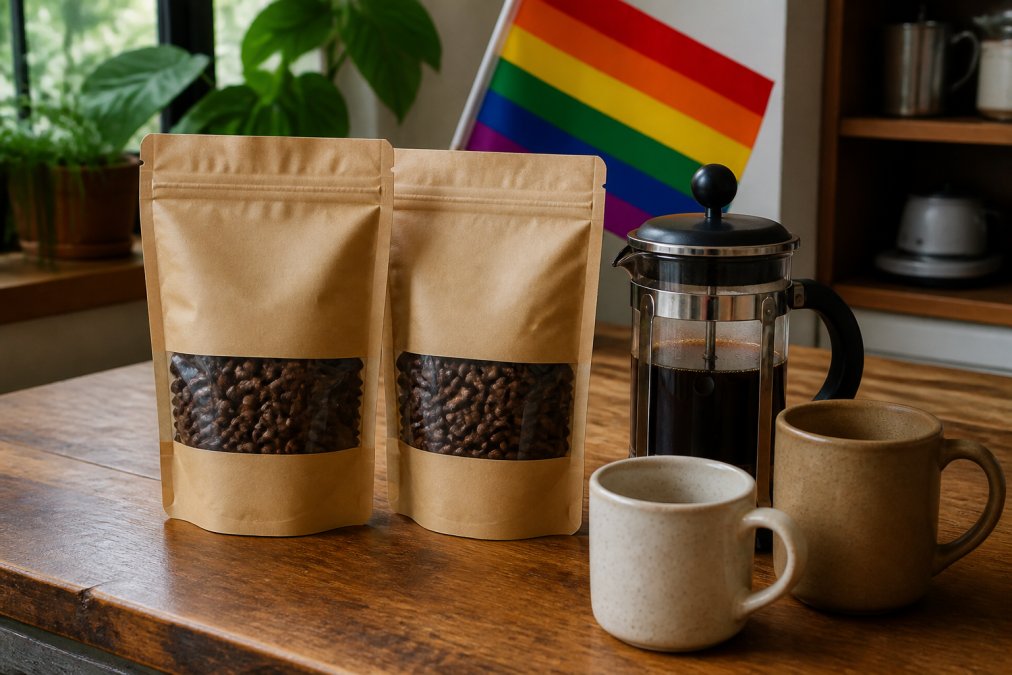
We scored both brands on five factors: flavor range and roast profile, single-origin versus blend offerings, ethical sourcing documentation, community engagement, and delivery or subscription flexibility.
Flavor Profiles and Roast Quality: A Side-by-Side Look
Lez Beans has built its reputation on bold, dark-leaning blends with names that lean into queer culture, and its core lineup stays consistent from bag to bag. Queer Coffee takes a broader approach, mixing single-origin offerings with flavored and espresso-focused roasts, which suits drinkers who want variety month to month.
| Criteria | Queer Coffee | Lez Beans |
|---|---|---|
| Roast range | Light to dark, single-origin focus | Medium to dark blends |
| Flavor variety | Broad, rotating origins | Consistent core lineup |
| Espresso options | Yes | Limited |
| Best for | Drinkers who want rotation | Drinkers who want a signature cup |
What Each Roast Level Actually Tastes Like
The table tells you what's on the shelf. It doesn't tell you what's in the cup. Here's the sensory breakdown most directory-style reviews skip.
- Light roasts (Queer Coffee's single-origin lineup): Higher acidity, brighter fruit and floral notes, thinner body. Think citrus, berry, stone fruit, and tea-like finishes. Best extracted with pour-over or a drip brewer at water just off boil. Under-extracted light roasts taste sour and grassy; over-extracted ones taste hollow and papery.
- Medium roasts (Lez Beans' core blends): Balanced acidity and body, with caramel, cocoa, and toasted nut notes. Forgiving across brew methods, drip, French press, and espresso all work. This is the roast level most daily drinkers settle into because it hides small brewing mistakes.
- Dark roasts (Lez Beans' bold blends, some Queer Coffee options): Low acidity, heavy body, bittersweet chocolate and smoky or molasses notes. Oily surface, which clogs burr grinders faster and goes stale quicker. French press and espresso shine here; pour-over tends to flatten the profile.
- Flavored and espresso-focused roasts (Queer Coffee): Flavored coffees add oils or extracts after roasting, so the underlying bean matters less, the flavoring dominates. Espresso blends are typically a mix of a base bean for body and a higher-acidity bean for crema and complexity.
Why Roast Development Matters More Than Origin Label
What most reviews miss is that roast date matters more than origin label. A single-origin bean roasted three weeks ago tastes flatter than a blend roasted three days ago. Ask both brands for roast dates before you commit.
A Practical Tasting Method
If you want to compare the two brands fairly, brew both at the same dose and ratio. A common starting point is 1 gram of coffee to 16 grams of water by weight, about 18 grams of coffee to 288 grams of water for a two-cup pour-over. Keep grind size, water temperature, and brew time identical. Taste side by side, not on different days.
The Best Socially Conscious Coffee Companies in 2026
The strongest socially conscious coffee companies in 2026 share three traits: they publish where their beans come from, they roast to order rather than to warehouse, and they put real money behind community programs instead of relying on rainbow packaging alone.
What Sets the Leaders Apart
Leaders in this space treat transparency as a baseline, not a marketing hook. They name the farms or cooperatives they buy from, they explain what certification actually covers, and they show how advocacy work is funded. Brands that skip those steps tend to lean on identity branding without the operational follow-through.
Inside Queer-Owned Coffee Roasters: Mission Meets Craft
Queer-owned coffee roasters sit at an unusual intersection: they're small-batch operations competing on cup quality while also functioning as community hubs. Many got their start through pop-up events at Pride markets or local cafés before scaling into full roasteries.
Ethical Coffee Sourcing Practices That Actually Matter
Ethical sourcing comes down to three verifiable things: who grew the coffee, what the farmer was paid above commodity price, and whether the relationship is direct or handled through a broker. Fair trade certification addresses a floor price, but it doesn't guarantee a long-term relationship with a specific farm.
Subscription vs Retail: Which Buying Model Fits Your Routine?
Subscriptions win for anyone drinking coffee daily, because recurring delivery keeps a fresh bag arriving before the last one runs out. Retail wins for drinkers who buy sporadically, want to taste before committing, or prefer picking a bag in person.
How Each Model Actually Works
Retail (one-time order): You pick a bag, pay once, and it ships. Roast date depends on whether the roaster roasts to order or pulls from warehouse stock. Roast-to-order operations typically ship within 1 to 3 business days of roasting; warehouse-stock operations may ship a bag that's already weeks old. You control timing completely, order when you're low, skip when you're traveling.
The Freshness Math
Coffee flavor peaks roughly 4 to 14 days after roast for most profiles, then declines. A 12-ounce bag brewed at 18 grams per cup yields about 19 cups. If you drink two cups a day, that bag lasts about 9 to 10 days, right inside the peak window. If you drink one cup a day, the same bag stretches to nearly three weeks, and the last cups will taste noticeably flatter than the first.
That math drives the decision:
- Two or more cups daily: A 2-week subscription cadence keeps you inside the peak window without over-ordering. This is the strongest case for subscribing.
- One cup daily: A 4-week cadence works, but you'll notice quality drop in the final week. Buying two smaller bags per month often beats one large bag.
- A few cups a week: Retail is almost always better. You'll waste less coffee and can buy right before you brew.
Cost-Per-Cup Comparison
Subscriptions usually carry a small per-bag discount versus one-time retail, and many waive shipping above a threshold. But the bigger cost variable is waste. A retail drinker who buys a pound, drinks half, and lets the rest go stale pays more per good cup than a subscriber on a matched cadence. Run the math on cups-per-bag before comparing sticker prices, the cheaper bag isn't cheaper if you throw a third of it away.
When to Switch Models
A practical middle path: start with a retail order to test roast profiles, then move to a subscription once you know which ones you like. Most subscription services let you pause, swap, or skip a delivery, so the lock-in risk is lower than people assume. If you drink two cups a day, a subscription usually beats repeated retail trips on both freshness and convenience.
Brewing Queer Coffee at Home: A Simple Guide for Every Roast
Home brewing quality depends on matching grind size and water temperature to the roast, not on expensive equipment. A drip machine handles medium and dark roasts well. A French press suits darker, oilier beans. Pour-over rewards light roasts with more delicate flavor notes.
- Light roast: water just off boil, finer grind, pour-over or drip
- Medium roast: water around 200°F, medium grind, drip or French press
- Dark roast: slightly cooler water, coarser grind, French press or espresso
- Espresso blend: fine grind, high pressure, consistent tamp
Frequently Asked Questions
What are some queer-owned coffee brands?
Several queer-owned coffee brands operate in the United States, including LGBrewTeaQ, which roasts coffee and sources teas for the LGBTQIA+ community and allies. These brands typically roast to order, offer subscription deliveries, and donate a portion of proceeds to LGBTQ+ advocacy groups. When evaluating queer coffee options, look for transparent sourcing information, stated community partnerships, and clear roast dates on the packaging. LGBrewTeaQ also sells gift cards ($25) that can be applied to beans, teas, machines, or merchandise.
How do queer-owned coffee roasters support the LGBTQIA+ community?
Support takes several forms: donating to LGBTQ+ nonprofits, hiring inclusively, hosting pop-up events and community gatherings, and creating safe spaces where queer customers feel welcome. Some roasters also source from BIPOC-owned farms and publish their ethical sourcing practices. The most credible brands share specifics, such as named nonprofit partners or direct trade relationships, rather than vague statements about giving back. Checking a roaster's website for these details helps you confirm your purchase aligns with your values.
What makes a coffee brand 'queer-owned' or inclusive?
A queer-owned brand is founded or led by LGBTQIA+ individuals, while an inclusive brand actively welcomes queer customers through language, hiring, and community involvement. In practice, inclusive coffee companies use gender-neutral marketing, avoid tokenism, and support LGBTQ+ causes year-round rather than only during Pride month. They also make ethical coffee sourcing practices a priority, since social impact and supply chain fairness often go hand in hand. Look for brands that name their ownership, partners, and sourcing standards openly.
How can I find LGBTQIA+ coffee roasters that ship nationwide?
Start by searching directories of queer-owned businesses and checking roaster websites for shipping details. Most specialty roasters, including LGBrewTeaQ, ship across the United States and offer subscription options so you can receive fresh beans regularly. Confirm roast-to-order timelines, shipping costs to remote areas, and whether you can pause or swap a subscription without penalties. Reading customer reviews and checking social media for real buyer feedback also helps you avoid surprises before committing to a recurring order.