

Single Origin Coffee Beans for Beginners
Table of Contents
- What Are Single Origin Coffee Beans?
- Single Origin vs Blend Coffee: What's the Difference?
- Best Coffee Regions for Beginners
- Understanding Terroir and Flavor Profiles
- How to Tell If Coffee Beans Are Fresh
- Choosing Your First Single Origin Bean
- Brewing Single Origin Coffee at Home
- Frequently Asked Questions
Last Updated: September 18, 2026
What Are Single Origin Coffee Beans?
Single origin coffee beans are sourced from a specific geographic region, farm, or cooperative rather than blended from multiple origins. This means every bean in your bag comes from one place, capturing the distinctive characteristics of that terroir, the combination of altitude, soil, climate, and farming practices that shape flavor.

When you brew single origin coffee beans, you're tasting the direct expression of where they grew. A Colombian bean tastes different from an Ethiopian one not because of roasting choices alone, but because of the volcanic soil in Medellín versus the high-altitude highlands of Sidama. The varietal, processing method, and harvest timing all contribute to what ends up in your cup.
At LGBrewTeaQ, we source single origin coffee beans from smallholder cooperatives and family farms committed to sustainable harvesting. Each origin is roasted in small batches to highlight its distinctive character. This approach means you're not getting a one-size-fits-all coffee, you're getting the authentic voice of a specific place.
The appeal for beginners is straightforward: single origin beans teach you what coffee actually tastes like. Instead of the muted, balanced profile of a blend, you experience complexity, acidity, body, and aroma as distinct elements. Once you understand these components in a single origin, blends make more sense.
Single Origin vs Blend Coffee: What's the Difference?
The core distinction is simplicity versus harmony. A blend combines beans from multiple origins to create a consistent flavor profile, think balanced, approachable, forgiving. A single origin showcases one place's unique characteristics, which means more complexity but also more variability depending on harvest and processing.
Blends are engineered. A roaster might combine a Brazilian bean for body and sweetness with an East African bean for brightness and acidity, creating a deliberate balance. The goal is consistency, you get the same cup every time. Single origins are more like terroir wine: the same farm's beans can taste noticeably different year to year based on weather, soil conditions, and harvest timing.
For beginners, this matters because blends hide flaws and inconsistencies. They're forgiving if your brewing technique isn't perfect. Single origins demand more precision. Underextract an Ethiopian bean and you'll taste harsh, thin acidity. Overextract it and the florals disappear into bitterness. This teaches you what your brewing method actually does.
Blends also tend toward darker roasts, which mute origin character in favor of roasted, chocolatey, caramel notes. Single origins are typically roasted lighter to medium to preserve the bean's natural sweetness and fruit notes. This is why single origin coffee often tastes brighter, more complex, and less like "coffee" in the traditional diner sense.
The price difference reflects this. A quality blend might cost slightly less because roasters can use beans from less celebrated origins and balance them together. Single origins command higher prices because you're paying for traceability, quality at the source, and the roaster's skill in highlighting that specific origin's potential.
Best Coffee Regions for Beginners
Three major coffee-growing regions dominate specialty coffee, and each has a distinct flavor signature worth exploring as a beginner.
Africa: Bright Florals and Complex Fruit
African coffees, particularly from Ethiopia and Kenya, are the most complex and floral-forward. Ethiopia is coffee's birthplace, the plant originated there, and the beans reflect that heritage with wild jasmine, bergamot citrus, and stone fruit notes. These coffees have a tea-like delicacy and often showcase natural processing methods that amplify fruit sweetness.
Kenya produces equally vibrant coffees but with a different profile: bright citrus, blackcurrant, and wine-like acidity. Kenyan beans are typically grown at high altitude in volcanic soil, which concentrates sugars and creates that signature effervescent, juicy character. For beginners, African coffees teach you what acidity actually means, not sourness, but brightness and complexity.
The challenge with African origins is their intensity. If you're used to dark roasts or blends, the floral aromatics and fruit notes can feel unfamiliar. They require precise brewing to shine. Underextract them and they taste thin and sour. Get the extraction right and they're revelatory.
Central and South America: Balanced and Approachable
Colombian, Costa Rican, and Brazilian coffees occupy the middle ground, more approachable than African origins but more interesting than most blends. Colombia produces consistently excellent coffee with caramel sweetness, balanced acidity, and cocoa notes. The volcanic soil and altitude create ideal growing conditions, and the country's coffee infrastructure means quality control is reliable.
Single Origin Favorites Sample Pack →

Costa Rica emphasizes brightness and fruit notes, crisp apple, honeyed tangerine, chocolate, without the floral intensity of African coffees.
Understanding Terroir and Flavor Profiles
Terroir is the complete environmental context where coffee grows: altitude, soil composition, rainfall, temperature, and seasonal variation. Just as terroir shapes wine, it shapes coffee's final flavor.
How to Tell If Coffee Beans Are Fresh
Freshness determines whether you taste the complexity of terroir or a stale, flat approximation. Coffee beans peak in flavor 2-4 weeks after roasting. After 4 weeks, they're still drinkable but noticeably less vibrant. After 8 weeks, they've lost significant aromatic compounds.
Choosing Your First Single Origin Bean
Start with a region that matches your taste preferences. If you like bright, complex flavors, choose African, Ethiopia or Kenya. If you prefer balanced, approachable coffee, choose Colombian or Costa Rican. If you like deep, comforting flavors with low acidity, choose Brazilian.
Brewing Single Origin Coffee at Home
Single origin beans deserve brewing methods that highlight their character. Pour-over methods, Chemex, V60, Kalita Wave, are ideal because they offer precise control and produce clean cups that showcase origin flavor.
Frequently Asked Questions
What type of coffee beans are best for beginners?
Start with medium roasts from balanced origins like Colombia or Costa Rica. These offer approachable flavor profiles without overwhelming complexity. Colombia delivers caramel sweetness and cocoa notes, while Costa Rica brings crisp apple and chocolate. Avoid light roasts initially, they demand precise brewing technique. The Single Origin Favorites Sample Pack lets you taste six regions risk-free before committing to a full bag.
How can I tell if my single origin coffee beans are fresh?
Check the roast date on the label, beans are optimal 5 to 30 days after roasting. Squeeze a sealed bag gently; it should feel slightly puffy from CO2 released during roasting. Stale beans feel flat and papery. LGBrewTeaQ roasts to order, so your beans arrive at peak freshness with maximum flavor and aroma.
What's the difference between single origin and blend coffee?
Single origin comes from one country or farm, highlighting that region's unique terroir, its altitude, soil, and climate. Blends combine beans from multiple origins to create balanced, consistent flavor. Single origins offer complexity and discovery; blends offer reliability. Beginners often find blends smoother, but single origins teach you how geography shapes taste. Start with an approachable single origin like Colombia to experience the difference.
Which coffee regions are easiest for beginners to enjoy?
Colombia and Costa Rica are ideal starting points. Colombia offers silky caramel and cocoa sweetness that feels familiar. Costa Rica delivers crisp apple and chocolate in a clean, bright cup. Brazil provides comforting cocoa notes and low acidity. Ethiopia and Kenya suit adventurous palates, they're more complex and floral. African coffees often require pour-over brewing to shine, while Central American origins work well in any brewing method.
Do I need special equipment to brew single origin coffee?
No. A standard drip machine works fine for single origins, though pour-over methods (Chemex, V60) unlock more flavor clarity. Each single origin has recommended brew methods on its listing. Colombia excels in drip or pour-over; Ethiopia shines in pour-over or AeroPress. Start with what you have. As you develop your palate, you can experiment with equipment to highlight different flavor notes and complexity.
How does roast level affect single origin flavor?
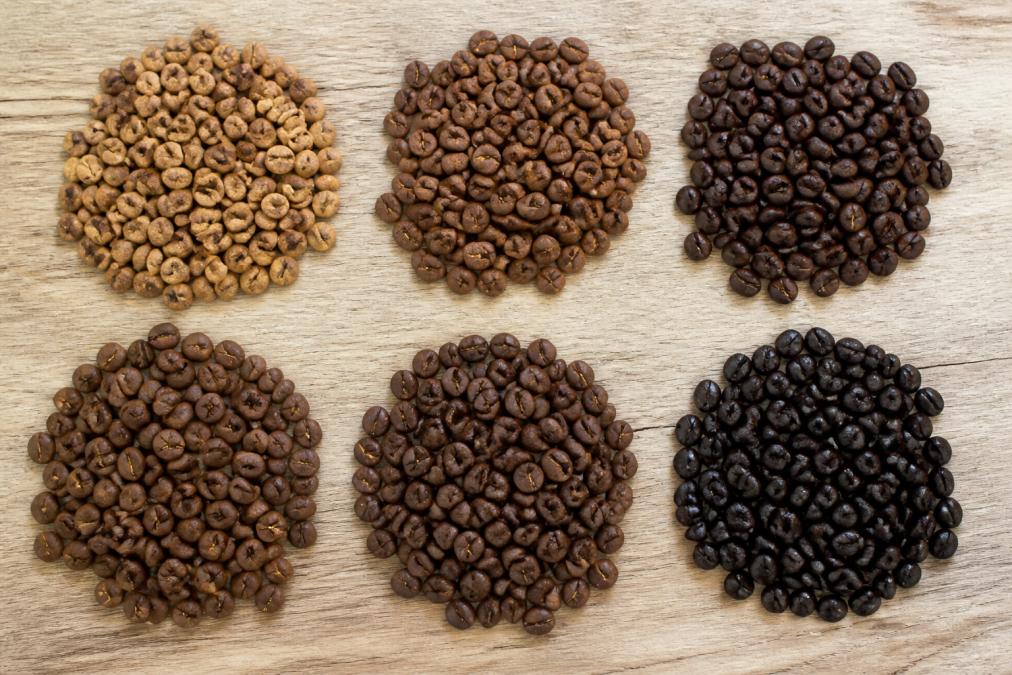
Light roasts preserve origin character, floral notes, bright acidity, and fruit. Medium roasts balance origin traits with roasted sweetness like caramel and chocolate. Dark roasts emphasize body and roasted flavors over terroir. Beginners typically prefer medium roasts because they're forgiving and approachable. Single origins are roasted to highlight their region's best qualities, LGBrewTeaQ's medium roasts let you taste the terroir without overwhelming complexity.
What does terroir mean, and why does it matter for single origin coffee?
Terroir encompasses altitude, soil, climate, and rainfall, everything that shapes flavor. High-altitude beans develop slowly, concentrating sugars and complexity. Volcanic soil adds mineral notes. Tropical climates produce fruit-forward profiles; cooler regions create tea-like delicacy. Understanding terroir helps you predict flavor before tasting. Colombia's volcanic soil creates caramel sweetness; Ethiopia's high altitude creates floral complexity. It's why the same varietal tastes different across regions.
Is single origin coffee worth the extra cost compared to regular coffee?
Single origin costs more because it's specialty-grade, freshly roasted to order, and traceable to specific farms and cooperatives. You're paying for superior flavor clarity, ethical sourcing, and peak freshness. LGBrewTeaQ's single origins ($23.99 per bag) cost more than mass-market coffee but less than premium third-wave cafes. The Sample Pack ($24.99 for six 2 oz pouches) lets you explore six regions affordably before investing in full bags.